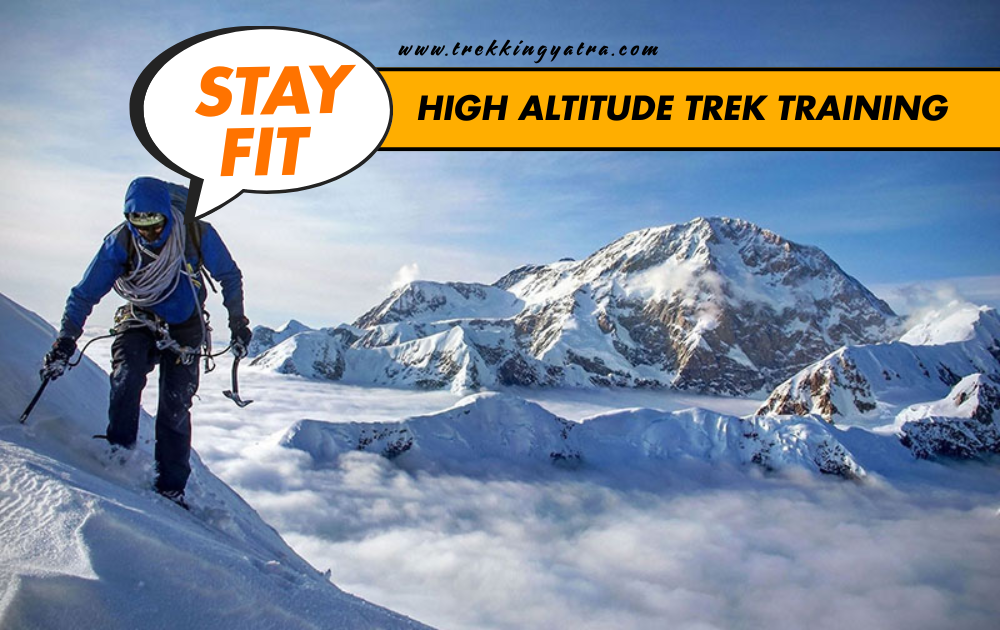

🏋️♂️ How to Stay Fit and Train for High-Altitude Treks (2025 Guide)
Your complete guide to building endurance, strength, and stamina for Himalayan adventures.
🌄 Why Fitness Matters for High-Altitude Trekking
High-altitude trekking isn’t just walking — it’s a test of your strength, endurance, lungs, and willpower. When you climb above 3,000–4,000 meters, oxygen levels drop, your heart rate rises, and fatigue hits faster.
Without proper training, even the easiest slopes can feel like summiting Everest.
That’s why High Altitude Trek Training is not optional — it’s essential.
A fit trekker adapts faster, enjoys the journey, and stays safer from altitude-related issues like AMS (Acute Mountain Sickness).
💪 Main Goals of Trek Training
-
🫁 Improve cardiovascular endurance – To keep your heart and lungs strong.
-
🦵 Increase leg and core strength – For steep ascents and descents.
-
🎒 Build stamina and recovery – To trek multiple days continuously.
-
🧘♂️ Enhance balance and flexibility – For rough Himalayan terrains.
-
🧠 Train mental endurance – Because mindset is everything above the clouds.
🗓️ The 10-Week Training Plan (Step-by-Step)
You should ideally start your training 10 weeks before your trek.
Here’s a complete weekly breakdown 👇
🏃♂️ Weeks 1–4: Build Your Base
Goal: Create a strong foundation of endurance and mobility.
Routine:
-
Cardio: 3 sessions/week (45–60 mins). Brisk walk, jog, or cycle.
-
Strength: 2 sessions/week. Do squats, lunges, push-ups, and planks.
-
Weekend Hike: 1 long walk or trail (2–4 hours) with a light backpack (5–7 kg).
-
Stretching: 10 mins daily (focus on hamstrings, calves, hips).
🧭 Tip: Walk on stairs or hilly terrain at least once a week to mimic trek conditions.
🧗 Weeks 5–8: Strength + Endurance Focus
Goal: Improve stamina, hill strength, and pack-carrying ability.
Routine:
-
Cardio: 2 steady 60–90 min sessions + 1 interval session (HIIT).
-
Strength: 2 sessions/week (include weighted step-ups, Bulgarian squats, calf raises).
-
Loaded Hike: Every weekend with a 10–12 kg backpack for 5–6 hours.
-
Stairs Training: 1 session/week (20–30 minutes).
🔥 Pro Tip: Train on uneven trails — it activates stabilizer muscles needed for rough terrain.
🏁 Weeks 9–10: Sharpen and Recover
Goal: Boost confidence, simulate trek days, and recover before departure.
Routine:
-
Reduce training volume by 25–30%.
-
Do 2–3 long hikes carrying your actual trek backpack.
-
Focus on sleep, hydration, and light yoga.
-
Avoid any new heavy workouts during the final week.
🧘 Tip: Treat these weeks as your “taper” — your body should feel strong, not tired.
🧱 The 3 Key Pillars of Trek Fitness
1️⃣ Cardiovascular Fitness (Lungs & Heart)
This is your base engine.
To train it:
-
Do interval running or cycling (4 mins fast, 2 mins slow x 6 rounds).
-
Climb stairs with a backpack for 30 minutes.
-
Go for brisk 10,000–12,000 step walks 4–5 times a week.
2️⃣ Strength Training (Legs & Core)
Strong legs carry you uphill. A strong core keeps you balanced downhill.
-
Exercises: Squats, lunges, step-ups, planks, push-ups, and pull-ups.
-
Progression: Gradually increase weights or reps weekly.
-
Core Work: Side planks, Russian twists, and leg raises improve stability on uneven ground.
3️⃣ Flexibility & Mobility
Tight muscles lead to cramps and poor balance.
Add daily stretches for:
-
Hamstrings
-
Hip flexors
-
Calves
-
Shoulders and back
💡 Pro Tip: Yoga sessions twice a week can massively improve breathing and posture — both key for altitude treks.
🏕️ Simulate Trek Conditions Before You Go
The best High Altitude Trek Training happens on terrain that mimics your trek.
Try this once a week:
-
Go on a 6–8-hour hike with your actual trek gear.
-
Carry a 10–12 kg load.
-
Choose routes with steep inclines.
-
Practice pacing: slow and steady, “one step, one breath.”
🎯 This builds real endurance and mental confidence.
🫁 Understanding Altitude and Acclimatization
At high altitude (above 2,500 m), oxygen levels drop. Your body must adapt to less oxygen per breath.
Proper acclimatization reduces the risk of AMS (Acute Mountain Sickness).
🏔️ How to Acclimatize:
-
Climb high, sleep low – ascend gradually.
-
Rest days: Every 3–4 days above 3,000 m.
-
Hydrate: Drink at least 3–4 liters of water daily.
-
Eat carbs: Your body uses oxygen more efficiently with carbs.
-
Avoid alcohol: It dehydrates and slows acclimatization.
🩺 Bonus Tip: Consult your doctor about Diamox (acetazolamide) if you’re prone to AMS.
🍽️ Nutrition and Hydration Tips
What you eat fuels your trek.
🥗 Before the Trek
-
Eat high-carb, high-protein meals (oats, rice, eggs, lentils).
-
Stay hydrated — water + electrolyte drinks.
-
Avoid crash diets or fasting before the trek.
🥾 During the Trek
-
Carry dry fruits, energy bars, and peanut butter sachets.
-
Eat small, frequent meals.
-
Add salt or lemon to your water to replace minerals.
🍵 After the Trek
-
Rehydrate fully.
-
Eat protein-rich meals for recovery.
-
Stretch and rest properly.
🧘 Mental Preparation for High Altitude
Altitude trekking challenges your mind as much as your body.
To stay calm and confident:
-
Visualize your route and summit.
-
Train with mindfulness — focus on your breath while hiking.
-
Accept that slow pace = smart pace.
-
Remind yourself: “Breathe, step, smile.” 😄
🧗 Pro Tip: Trekking is 50% fitness and 50% mindset. Build both.
⚙️ Essential Gear for Training and Trekking
| Item | Why You Need It |
|---|---|
| Trekking Shoes | Support and grip on rough terrains |
| Trekking Poles | Balance and reduced knee stress |
| Hydration Pack | Easy access to water |
| Layered Clothing | Manage body temperature |
| Lightweight Backpack | Comfort during long climbs |
| Headlamp | Early morning or night hikes |
🧠 Expert Trekker Tips
✅ Train with your actual backpack to adjust balance.
✅ Sleep 7–8 hours daily — recovery builds strength.
✅ Use stairs instead of lifts daily.
✅ Track your hikes using fitness apps.
✅ Don’t compare your speed — every trekker’s pace is unique.
📋 Sample Weekly Routine (Example)
| Day | Activity |
|---|---|
| Monday | Lower body strength + stretching |
| Tuesday | Cardio (Interval running 45 mins) |
| Wednesday | Rest or yoga |
| Thursday | Upper body + core workout |
| Friday | Stair climbing (30 mins) |
| Saturday | Long loaded hike (5–6 hrs) |
| Sunday | Rest + mobility work |
🚑 Health & Safety at Altitude
Recognize early signs of AMS:
-
Headache
-
Dizziness
-
Nausea
-
Loss of appetite
-
Fatigue
If symptoms worsen:
❌ Stop ascending
❌ Rest and hydrate
✅ Descend if necessary
Never ignore persistent symptoms — altitude sickness can become serious quickly.
📘 Quick FAQ – High Altitude Trek Training
Q1. How early should I start training for a trek?
Start 8–12 weeks before your trek for best results.
Q2. Can beginners do high-altitude treks?
Yes! With proper training and acclimatization, beginners can complete moderate treks.
Q3. How do I increase lung capacity for high altitude?
Do interval workouts, yoga breathing (pranayama), and cardio activities like stair climbing.
Q4. What is the best diet for trekkers?
High in carbohydrates, protein, and hydration — fuel your muscles, not starve them.
Q5. Can I take Diamox for altitude sickness?
Yes, under a doctor’s prescription. It helps prevent AMS but is not a replacement for acclimatization.
🔗 Also Read these Blogs
If you love trekking, I highly recommend these guided blogs to assist you on your journey.
🌤️ Final Thoughts
Training for a high-altitude trek is about building endurance, patience, and consistency.
Every climb becomes easier when your lungs are strong, your legs are conditioned, and your mind is focused.
🌱 Start early, train smart, and listen to your body.
Your preparation will turn your Himalayan adventure into an unforgettable journey — where the views reward every drop of sweat.
So tie those laces, hit the stairs, and get ready for the summit. 🏔️
Because the mountains are calling — and this time, you’ll be ready. 💫


