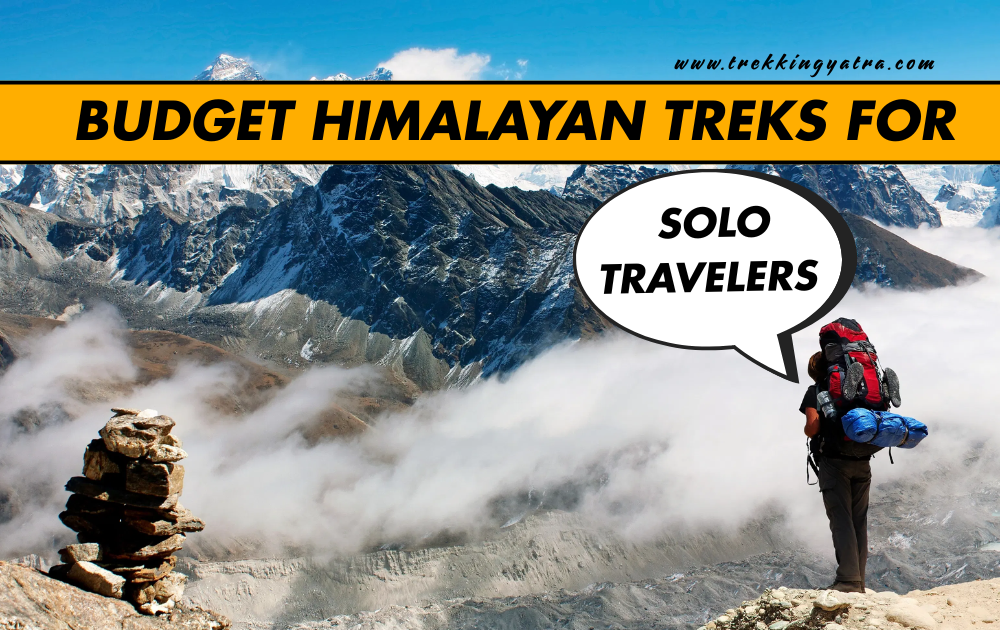

Top 10 Budget Himalayan Treks for Solo Travelers — Affordable Adventures in 2025 🏔️✨
Planning a solo Himalayan trek on a budget? Discover the top 10 affordable treks in the Indian Himalayas with day-by-day itineraries, costs, packing tips, safety advice, and training plans to help you confidently trek solo in 2025. 🌄🎒
Introduction — Why Solo Budget Treks Are Glorious 🌟
The Himalayas are a dream playground for solo travelers: wide-open trails, remote villages, alpine meadows, and clear night skies that make you feel wildly alive. Many people assume Himalayan trekking is expensive and complicated, but that’s not always true. With smart planning, local knowledge, and an adventurous spirit, you can enjoy incredible treks without draining your wallet. This guide lists the Top 10 Budget Himalayan Treks for Solo Travelers in 2025, complete with practical itineraries, realistic budgets, packing checklists, safety steps, training, social tips, and CMS-ready pieces to paste straight into TrekkingYatra. 📋✨
Quick Overview: The Top 10 Budget Treks (At-a-glance) 📝
-
Triund (Dharamshala, HP)
-
Nag Tibba (Uttarakhand)
-
Kedarkantha (Uttarakhand)
-
Har Ki Dun (Uttarakhand)
-
Chopta–Tungnath–Chandrashila (Uttarakhand)
-
Kareri Lake (Himachal)
-
Deoriatal–Chandrashila (Uttarakhand)
-
Prashar Lake (Himachal)
-
Deoban (Uttarakhand)
-
Valley of Flowers & Hemkund Sahib (Uttarakhand)
Each trek is chosen for its affordability, accessibility for solo trekkers, and the quality of views and local culture you’ll experience. Let’s dive into each one with headings, emojis, and practical tips to make sharing on social media easy and engaging. 📸🔥
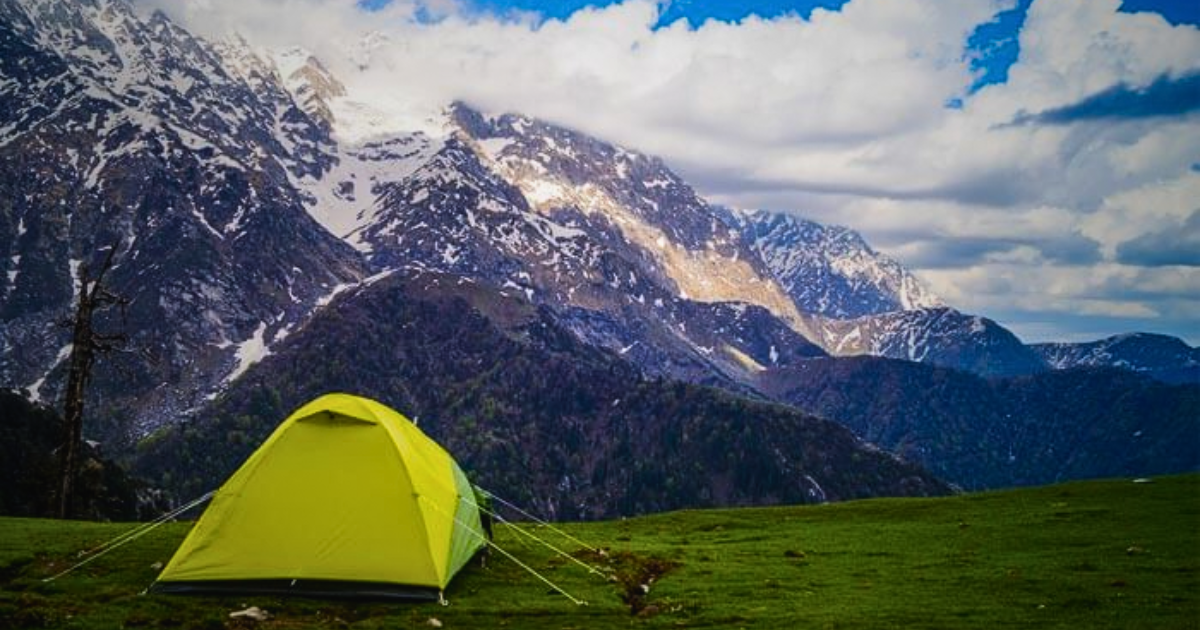
1) Triund Trek — Short, Sweet & Super Scenic 🌄🥾
Why Triund is perfect for solo budget trekkers
Triund is one of the easiest Himalayan introductions — close to McLeodganj and ideal for weekend travelers. Trails are well-marked, local guesthouses and camps are affordable, and the views are epic.
Suggested itinerary (2 days)
Day 1: Delhi → Dharamshala/McLeodganj → Trek to Triund (4–6 hours) → Camp/guesthouse.
Day 2: Sunrise on the ridge → Tea at a local dhaba → Descend and explore McLeodganj.
Approximate budget
Transport: INR 700–1500 | Stay & food: INR 800–1500 | Total: INR 1500–3000.
Tip: Share a taxi from the Dharamshala bus stand to cut transport costs. 🚕🤝
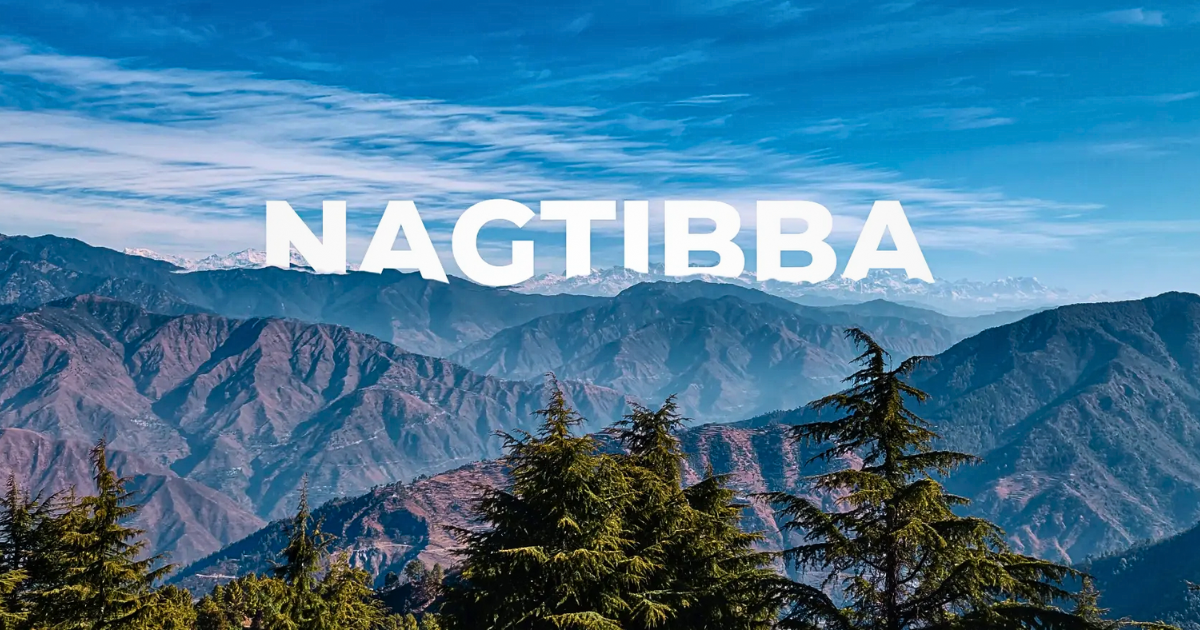
2) Nag Tibba — Quick Weekend Summit 🏔️⛺
Why solo trekkers love Nag Tibba
Short, steep, and rewarding — Nag Tibba is a great intro to cold-weather trekking. Easy logistics make it ideal for solo travelers with limited time.
Suggested itinerary (2 days)
Day 1: Drive to Pantwari → Trek to base camp → Overnight camp.
Day 2: Summit at sunrise → Return to base → Head back home.
Approximate budget
Transport & stay: INR 2000–3500.
Pro tip: Go mid-week to save on shared taxis and accommodation. 📅
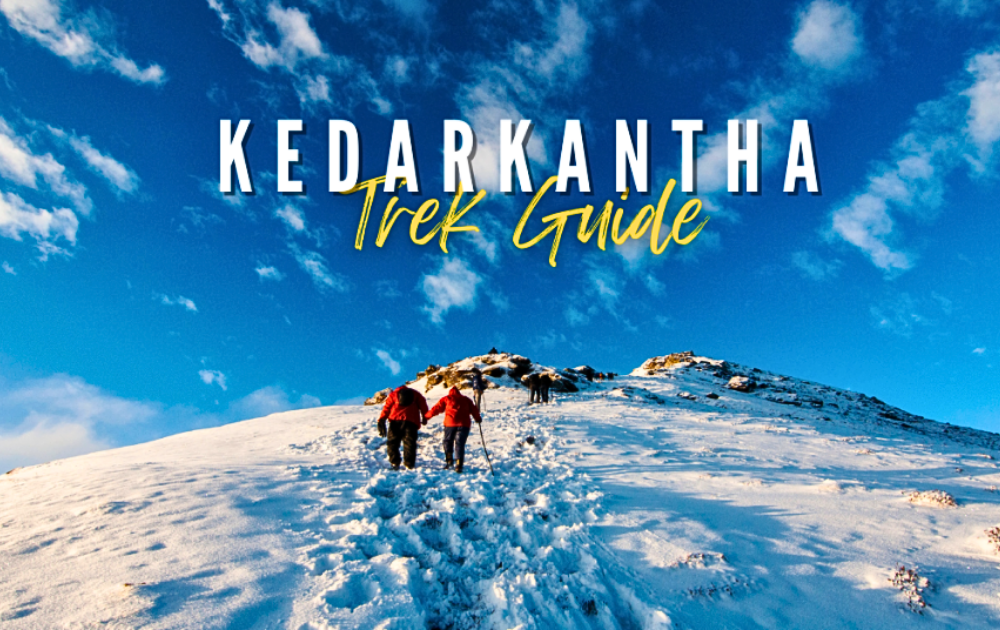
3) Kedarkantha — Snowy Meadows & Summit Joy ❄️🏔️
Why it’s a solo favorite
Kedarkantha blends pine forests, meadows, and an attainable summit. Solo trekkers can join small groups or split guide costs, making it budget-friendly.
Suggested itinerary (5 days)
Day 1: Dehradun → Sankri
Day 2: Sankri → Juda Ka Talab
Day 3: Juda Ka Talab → Kedarkantha Base
Day 4: Summit Kedarkantha → Descend
Day 5: Return to Dehradun
Approximate budget
Total: INR 4500–8000 (when joining group departures).
Social hook: “Solo summit selfies at 12,500 ft — Kedarkantha magic!” 🤳✨
4) Har Ki Dun — Culture + Valley Views 🏞️🏡
Why Har Ki Dun is special for solo travelers
Har Ki Dun is a cultural valley trek with ancient villages and breathtaking views. Homestays in Sankri/Osla make it affordable and immersive.
Suggested itinerary (6 days)
Day 1: Haridwar/Dehradun → Sankri
Day 2: Sankri → Taluka
Day 3: Taluka → Har Ki Dun Valley
Day 4: Explore the valley
Day 5: Return towards Sankri
Day 6: Drive back
Approximate budget
Total: INR 5000–9000.
Local tip: Buy snacks and eggs in base towns to save on teahouse prices. 🍳💡
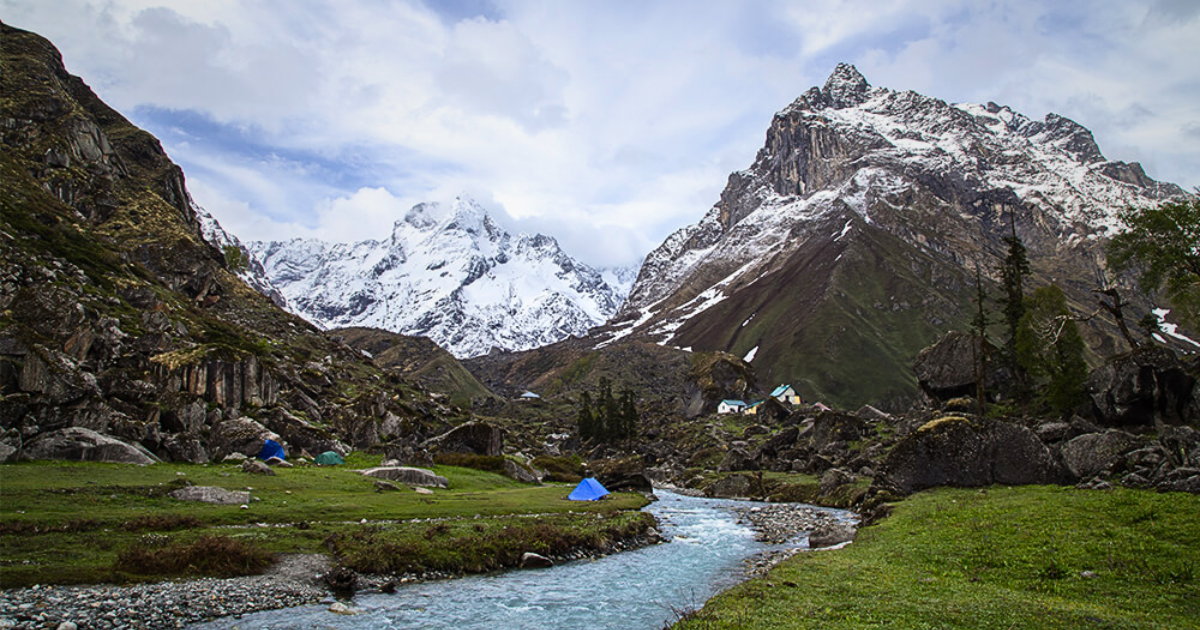
5) Chopta – Tungnath – Chandrashila — Temple + Panorama 🙏🌄
Quick reasons to do this trek solo
Short, panoramic, and spiritually rich — Tungnath (the highest Shiva temple) and Chandrashila ridge are perfect for a 2–3 day solo trip.
Suggested itinerary (3 days)
Day 1: Drive to Chopta → Tungnath trek → Stay in Chopta
Day 2: Sunrise to Chandrashila → Explore → Return
Day 3: Drive back
Approximate budget
Total: INR 2500–5500.
Shareable caption idea: “Sunrise at Chandrashila — where silence meets the Himalayas.” 🌅🙏
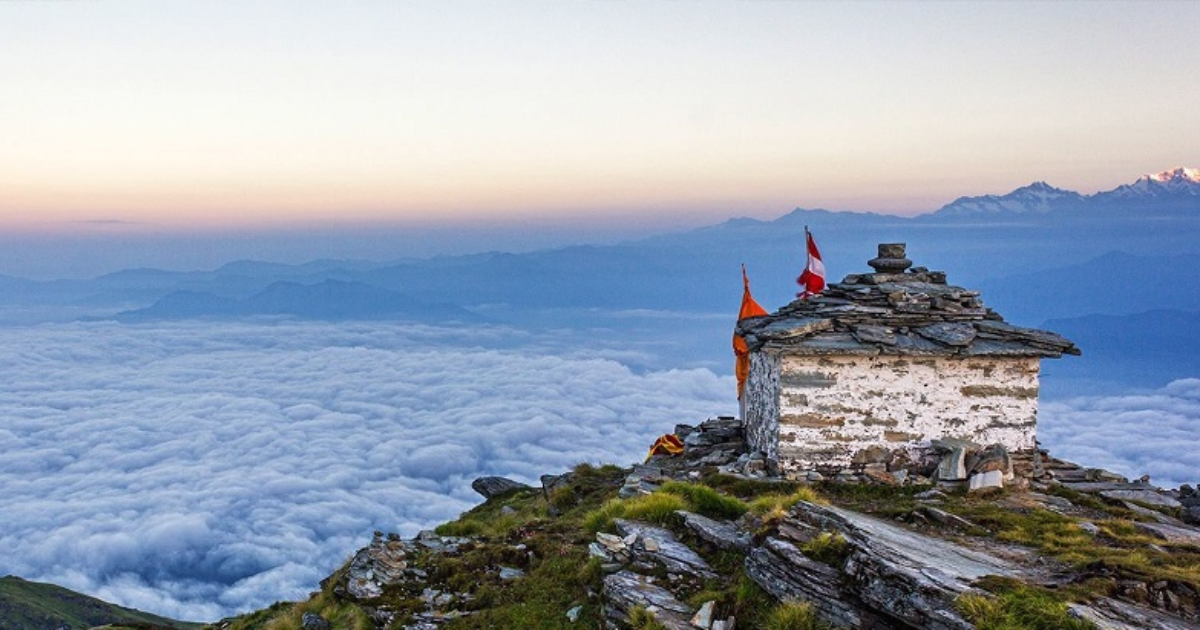
6) Kareri Lake — Pristine Alpine Lake Vibes 🏞️🫧
Why Kareri Lake works for solo trekkers
Less crowded than Triund, Kareri Lake offers serene waters, local homestays, and pristine surroundings — a low-cost, peaceful escape.
Suggested itinerary (4 days)
Day 1: Dharamshala → Kareri village
Day 2: Trek to Kareri Lake → Camp
Day 3: Explore the lake → Return to camp
Day 4: Back to Dharamshala
Approximate budget
Total: INR 3000–5000.
Instagram idea: “Campfire + clear skies = perfect Kareri night.” 🔥🌌
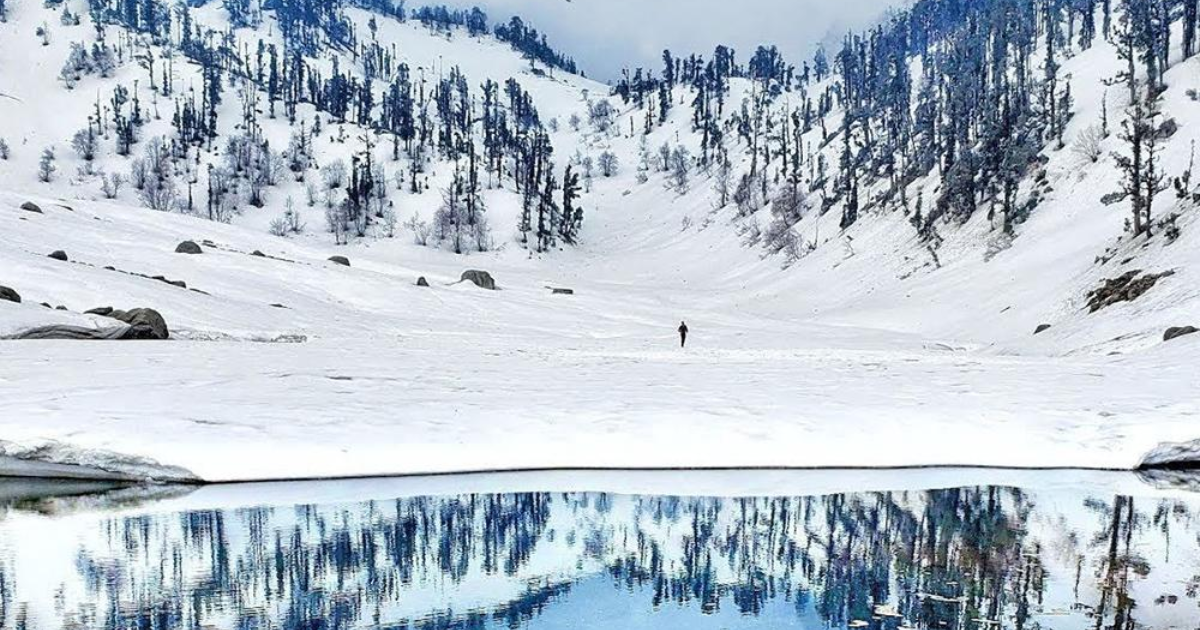
7) Deoriatal – Chandrashila — Offbeat Lake & Ridge Combo 🏔️🌲
Why this route is good for solo budgeters
Deoriatal’s quiet lake and the Chandrashila ridge make a beautiful combined trip. Less touristy spots mean cheaper stays and authentic local food.
Suggested itinerary (3–4 days)
Day 1: Drive to Chopta → Deoriatal base
Day 2: Trek to Deoriatal → Camp
Day 3: Optional Chandrashila day → Return
Approximate budget
Total: INR 2300–5000.
Note: Carry cash; small vendors may not take cards. 💸
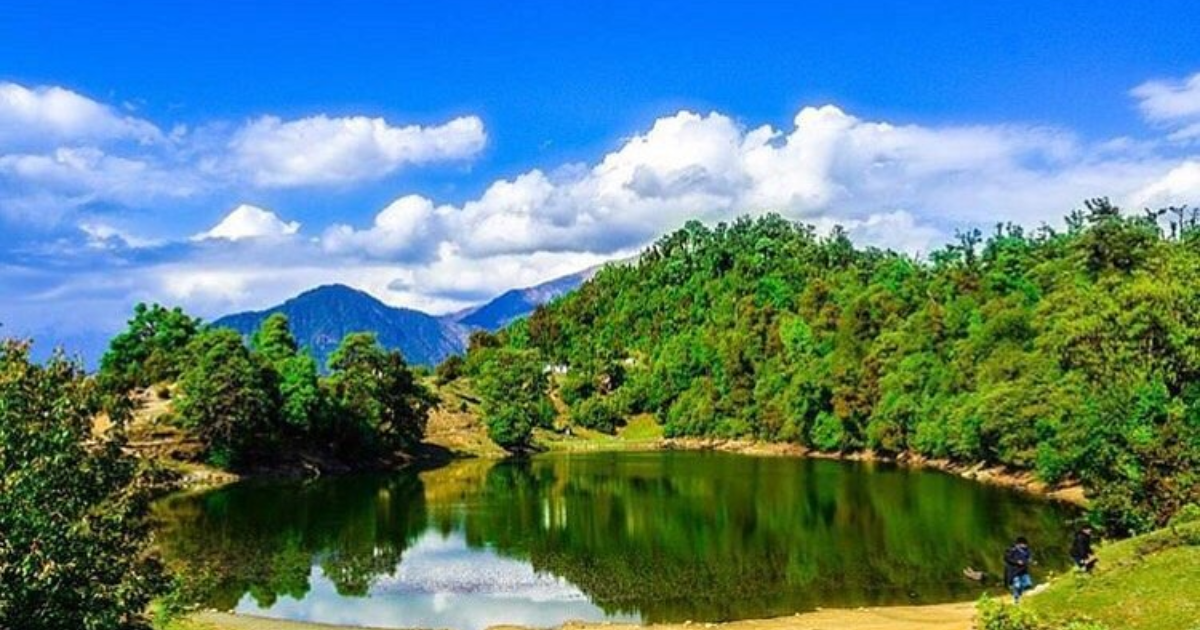
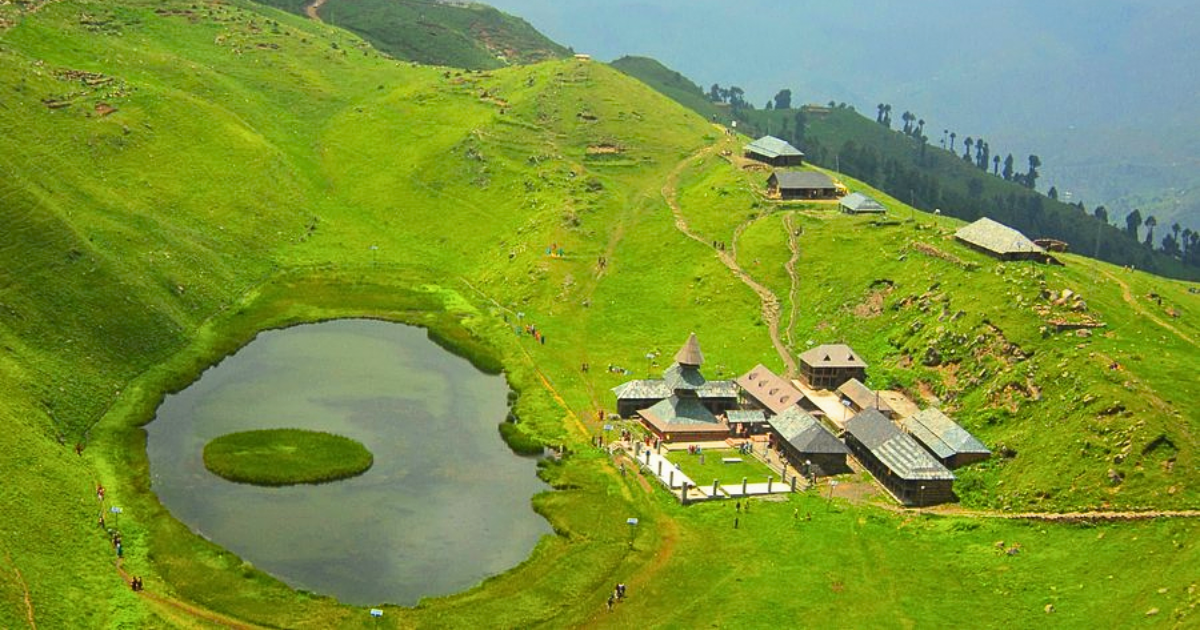
8) Prashar Lake — Short, Scenic & Pocket-Friendly 🌊⛰️
Why solo travelers pick Prashar Lake
Short trail, gorgeous temple perched on rocks, and dramatic views — Prashar Lake is a hit for solo trekkers with little time.
Suggested itinerary (2 days)
Day 1: Drive to Mandi → Trek to Prashar Lake → Camp
Day 2: Sunrise → Trek back → Drive home
Approximate budget
Total: INR 1500–3500.
Mini-caption: “Sunrise & ice on Prashar Lake — nature’s mirror.” 🪞❄️
9) Deoban — Rhododendron Forest & Solitude 🌸🌲
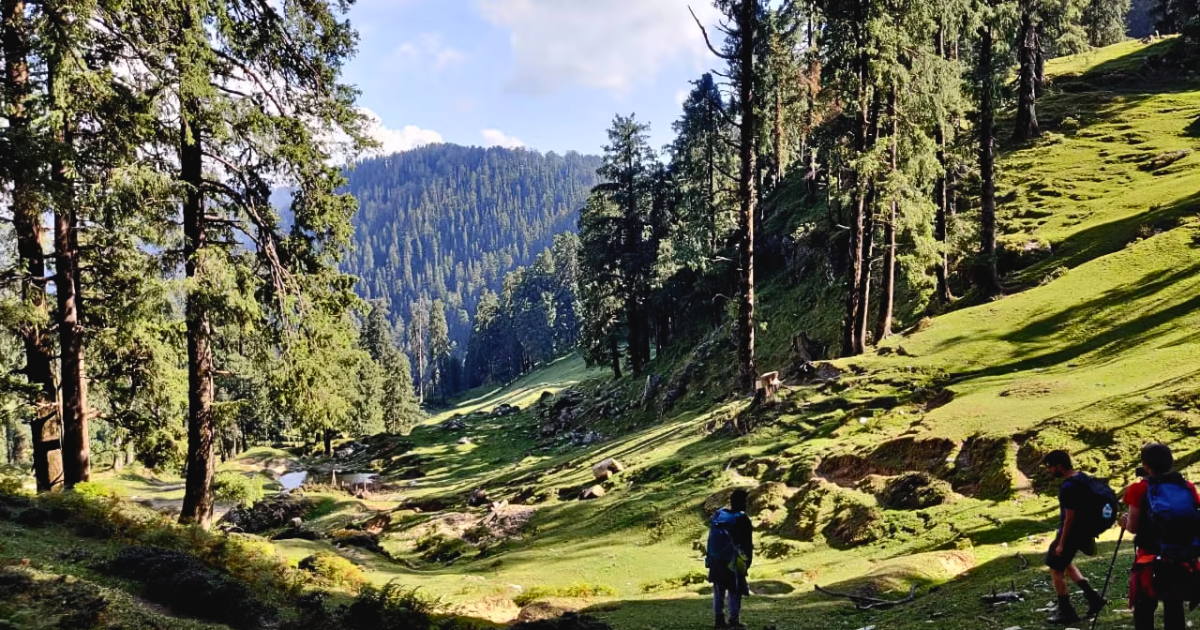
Why Deoban is a calm choice for solo trekkers
Off-the-beaten-path, peaceful meadows and rhododendron forests make Deoban ideal for solitude seekers on a budget.
Suggested itinerary (3 days)
Day 1: Drive to Chopta → Trek to Deoban base
Day 2: Summit Deoban → Camp
Day 3: Return to Chopta
Approximate budget
Total: INR 2000–4500.
Share tip: Join a local cooking group to split dinner costs and learn recipes! 🍲🤝
10) Valley of Flowers & Hemkund Sahib — Seasonal Spectacle 🌼🏞️
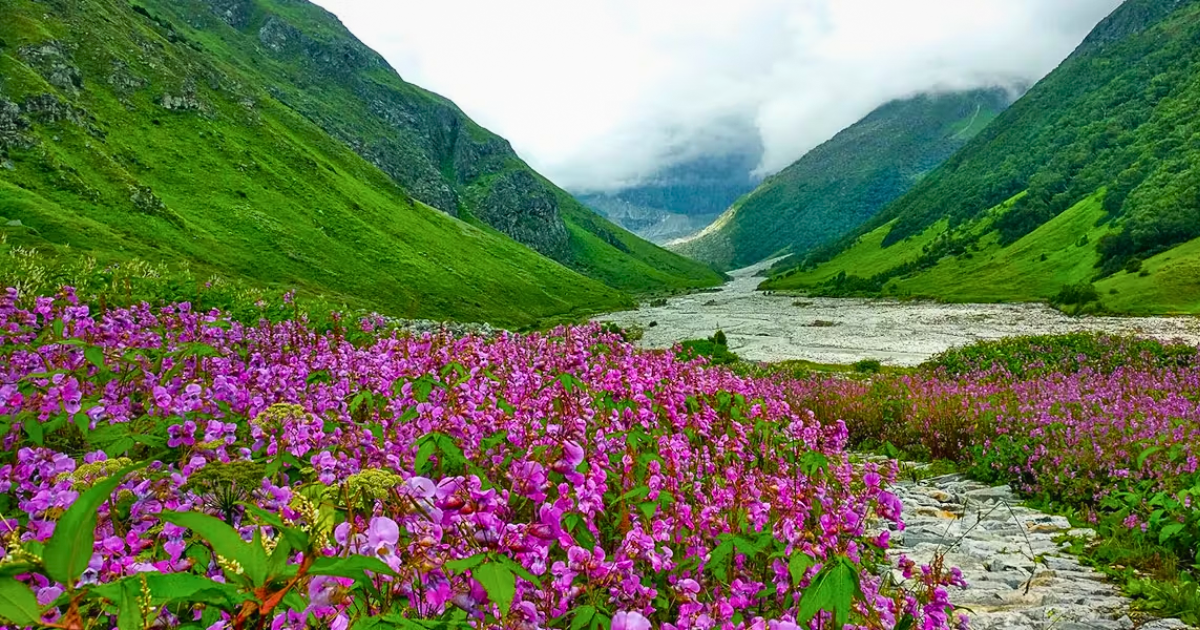
Why it’s worth planning (seasonal)
A floral wonderland in monsoon months; Hemkund Sahib adds a spiritual dimension. Plan in summer; permits and changes in season affect access.
Suggested itinerary (4 days)
Day 1: Govindghat → Pulna
Day 2: Pulna → Ghangaria
Day 3: Valley of Flowers & Hemkund Sahib day hike
Day 4: Return
Approximate budget
Total: INR 3500–7000.
Reminder: Check opening dates (usually June–October). 📆
Choosing the Right Budget Trek for You — Quick Checklist ✅
-
Duration: Pick a trek that fits your leave days.
-
Difficulty: Start easy for your first solo trek.
-
Season: Check road and trail conditions for November onward.
-
Group vs Solo: Joining a group lowers per-person costs.
-
Accommodation: Homestays beat camps for comfort + price.
Smart Budgeting Hacks for Solo Trekkers 💸🧭
-
Travel off-peak: Weekdays = cheaper transport.
-
Share rides: Coordinate with guesthouses to split taxis.
-
Rent gear locally: Saves big on high-ticket items.
-
DIY meals when allowed: Carry a light stove for long treks.
-
Pre-connect: Use trekking groups to join small departures.
Safety Essentials for Solo Trekkers 🚑📡
-
Inform someone of your route & ETA.
-
Carry power banks and offline maps.
-
Know the basics of altitude sickness; acclimatize.
-
Keep a basic first-aid kit and emergency meds.
-
Consider a local guide for unfamiliar routes.
-
For remote areas, a satellite tracker or PLB is recommended.
4-Week Training Plan — Short & Effective 🏃♂️💪
Week 1: Brisk walks 30–45 mins daily + 2 strength sessions.
Week 2: Hill/stair repeats twice + a 2–3 hour weekend walk.
Week 3: 3–4 hour hike with a 5–6 kg pack + cardio intervals.
Week 4: Peak 5–6 hour hike, taper and rest before departure.
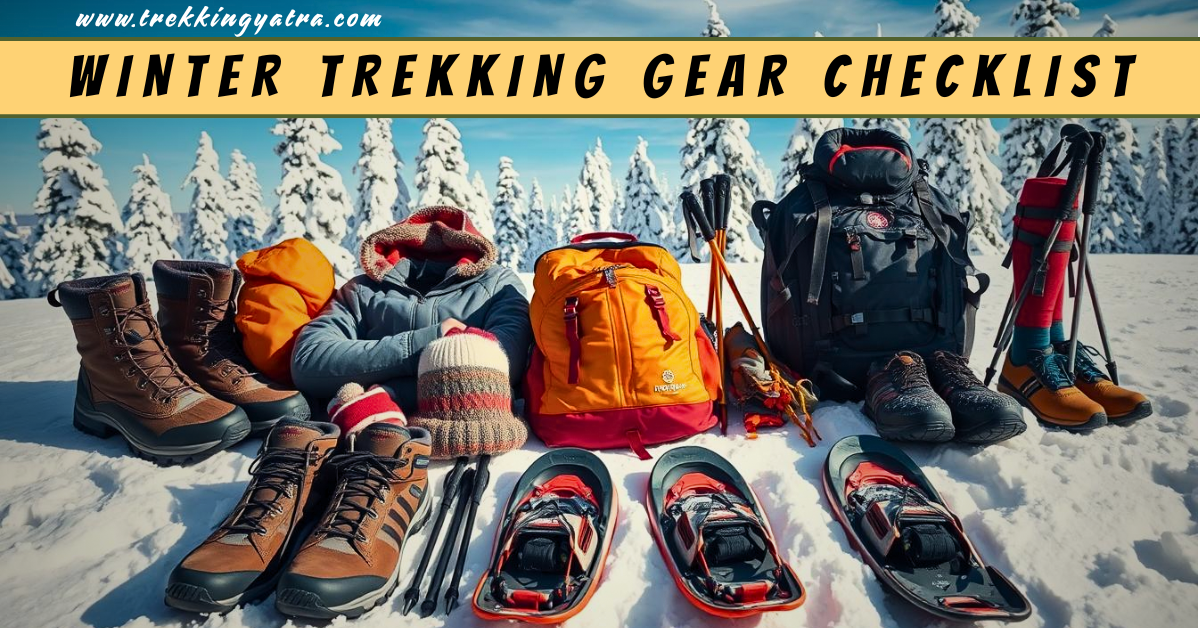
Packing Checklist — Budget Edition 🎒🧤
-
Sleeping bag (rent if needed)
-
Insulated jacket + waterproof shell
-
Trekking boots + socks
-
Lightweight stove (optional)
-
Trekking poles, headlamp, repair kit
-
Water purification tablets + reusable bottle
-
Power bank (20,000 mAh recommended)
-
First-aid & altitude meds
-
Cash in small denominations
Sample 5-Day Budget Breakdown — Kedarkantha Example 💰
-
Transport: INR 1,200–2,000
-
Local transfers: INR 500–1,000
-
Guide & support (shared): INR 1,200–2,500
-
Food & stay: INR 1,800–3,000
-
Miscellaneous: INR 300–600
Estimated total: INR 5,000–9,000
Responsible Trekking — Leave No Trace 🌱🙏
-
Pack out non-biodegradable trash.
-
Buy local to support communities.
-
Use marked trails.
-
Avoid collecting firewood in alpine zones.
FAQ — Quick Answers for Reader Convenience ❓📚
Q: Which trek is cheapest for beginners?
A: Triund, Nag Tibba, and Prashar Lake are the cheapest and easiest.
Q: Do I need permits?
A: Short treks usually don’t require permits; national parks do. Check in advance.
Q: Is solo trekking safe?
A: With preparation, local guidance, and precautions, yes — but always inform someone and consider a guide for remote routes.
Mini Expanded Day-by-Day Plans (Copy-Paste Friendly) 🗒️✂️
Triund — Detailed 2-Day Plan
Day 0 (Night before): Reach Dharamshala/McLeodganj, check into an affordable guesthouse, drop heavy luggage, charge devices, and confirm the weather.
Day 1: Start mid-morning after breakfast. The trail is well signposted — stop at spots for tea and photos. Reach Triund by late afternoon, check tents/guesthouses, light a campfire (where permitted), and enjoy sunset. Carry earplugs for noisy camps.
Day 2: Wake early for sunrise, warm up with tea and parathas, descend slowly to avoid knee strain. Stop at Bhagsunath waterfall on the way down and sample local Tibetan food in McLeodganj before catching an evening bus.
Kedarkantha — Detailed 5-Day Plan
Day 0: Reach Dehradun; night travel is common — rest well.
Day 1: Shared jeep to Sankri (6–8 hours). Check the homestay, confirm the guide. Light walk to acclimatize.
Day 2: Trek to Juda Ka Talab — an easy day to warm muscles. Sleep early.
Day 3: Trek to Kedarkantha base camp; practice walking with poles and test your gear.
Day 4: Summit day — start pre-dawn. Expect brisk winds and low temps near the top. Photograph the sunrise; descend to camp.
Day 5: Return to Sankri and take shared transport back to Dehradun.
Chopta–Tungnath–Chandrashila — Detailed 3-Day Plan
Day 1: Drive to Chopta; short acclimatization hikes; local tea and early sleep.
Day 2: Early morning trek to Tungnath, then on to Chandrashila for sunrise. The climb is steep but short; crowds may form during peak hours, so consider going early for solitude. Return to Chopta for a filling meal.
Day 3: Enjoy a relaxed morning and drive back; stop at local viewpoints for your last photos.
Acclimatization, Altitude & Medical Precautions — Deep Dive 🚨🩺
Altitude affects everyone differently — even experienced trekkers. Here’s a practical checklist:
-
Know the numbers: AMS (Acute Mountain Sickness) can start above ~2,500–3,000 m. Know the altitude profile of your trek.
-
Hydration is your friend: Drink frequently; aim for 3–4 liters per day at higher elevations.
-
Slow ascent: Add rest days if your itinerary allows. A 300–600 m gain per day is a conservative guideline above 3,000 m.
-
Medications: Carry Diamox (acetazolamide) only if prescribed; consult a physician beforehand. Keep paracetamol and anti-nausea meds handy.
-
Recognize symptoms: Headache, dizziness, nausea, and difficulty breathing are red flags. If symptoms appear, stop ascending and consider descent.
-
Evacuation plan: Note the nearest medical facilities and the phone number of the base town guesthouse owner; community networks in trekking towns often arrange quick evacuations.
🌺 Conclusion: Let the Mountains Call You Once Again!
Trekking is not just about reaching the summit — it’s about finding yourself on every trail you walk. 🏔️ Each step teaches patience, courage, and the art of simplicity. Whether you’re wandering through the snowy trails of Kedarkantha, breathing in the pine-scented air of Nag Tibba, or exploring the raw beauty of Har Ki Dun, every trek in the Himalayas whispers — “You belong here.” 🌿
So, pack your bags, tie your laces tight, and let your spirit wander free. November is calling with its crisp air, magical sunsets, and trails waiting for your footprints. 🚶♂️✨
Adventure is not found in comfort — it’s found in the rhythm of your heartbeat echoing with the wind. So step out, explore more, and let nature be your greatest storyteller. 💫


