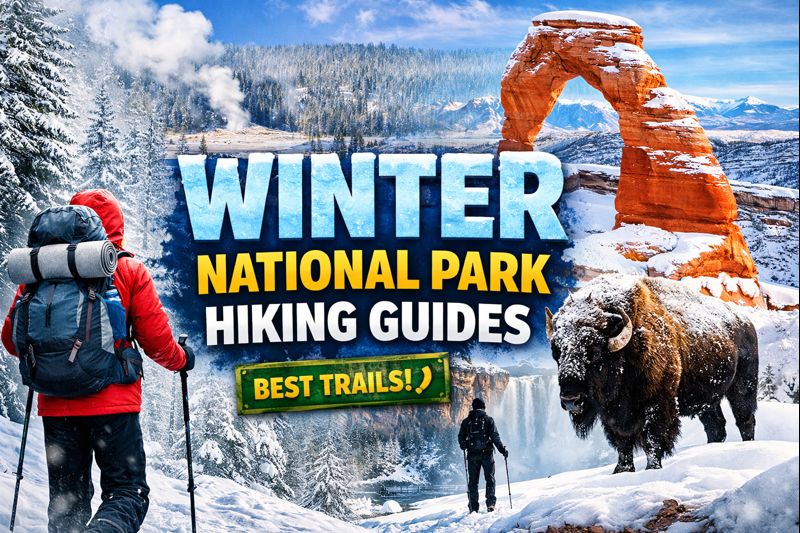

Why Winter Is the Best Time to Explore US National Parks
Winter hiking in national parks offers unique advantages that summer simply cannot match. During winter months, crowds drop dramatically, wildlife becomes more visible, and landscapes appear raw and untouched. Many parks that feel overcrowded in summer become peaceful sanctuaries in winter.
Another major advantage of winter hiking is photography. Snow enhances textures, contrasts, and lighting, creating postcard-perfect scenery. Frozen rivers, snow-laden pine forests, and ice formations create dramatic visuals that are impossible to experience in warmer seasons.
From a trekking perspective, winter conditions demand more awareness, but they also deliver a deeper connection with nature. Silence, isolation, and vast snowy views make winter hikes more spiritual and rewarding.
Understanding Winter Hiking in National Parks
Before diving into specific destinations, it’s important to understand what winter hiking really means in national parks.
Winter hiking is not always about deep snow or extreme cold. In southern and desert parks, winter simply means cooler temperatures, making hiking far more comfortable than summer. In northern parks, winter hiking may involve snowshoes, traction devices, or packed snow trails.
Good winter national park hiking guides always focus on:
- Seasonal accessibility
- Trail closures
- Weather conditions
- Required gear
- Safety awareness
Winter hiking is about preparation, not fear.
Best US National Parks for Winter Hiking
Not all national parks are suitable for winter hiking, but many offer excellent trails, even during snowy months. Below are some of the best winter national park hiking destinations, categorized by climate and experience level.
Yellowstone National Park – Winter Hiking Paradise
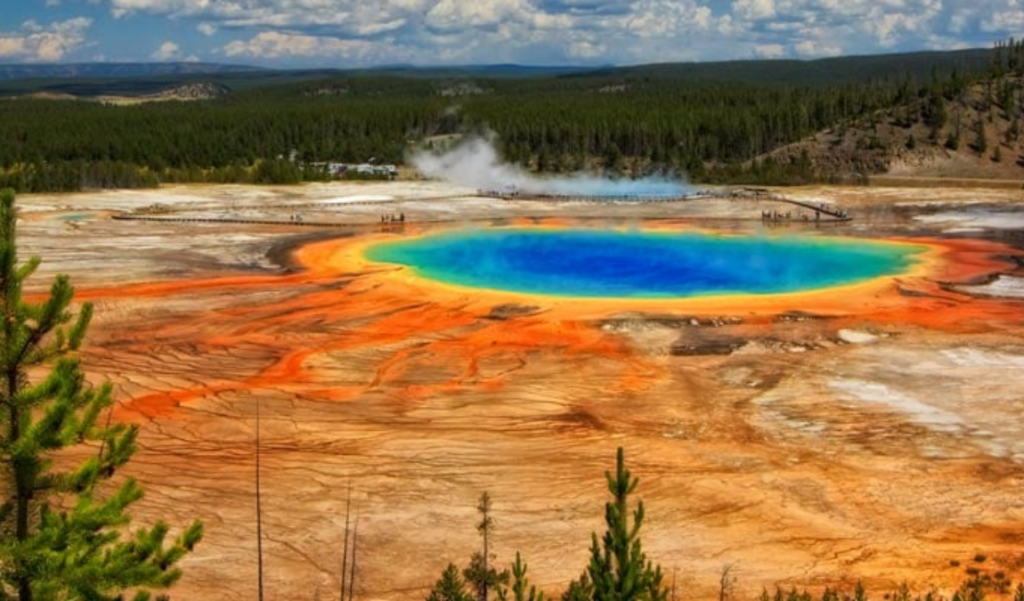
Yellowstone in winter is unlike anywhere else on Earth. Snow blankets geothermal landscapes, creating steaming geysers surrounded by ice and frost. Wildlife such as bison, wolves, and elk are easier to spot because they stand out against the snow.
Most roads are closed to vehicles in winter, which actually enhances the hiking experience by reducing noise and crowds. Popular winter hikes include Geyser Basin walks, boardwalk routes, and guided snowshoe trails.
Winter hiking here is ideal for travelers seeking:
- Unique geothermal scenery
- Wildlife tracking opportunities
- Snowshoe-friendly terrain
Yellowstone is a cornerstone of any serious winter national park hiking guide.
Zion National Park – Winter Hiking Without Extreme Cold
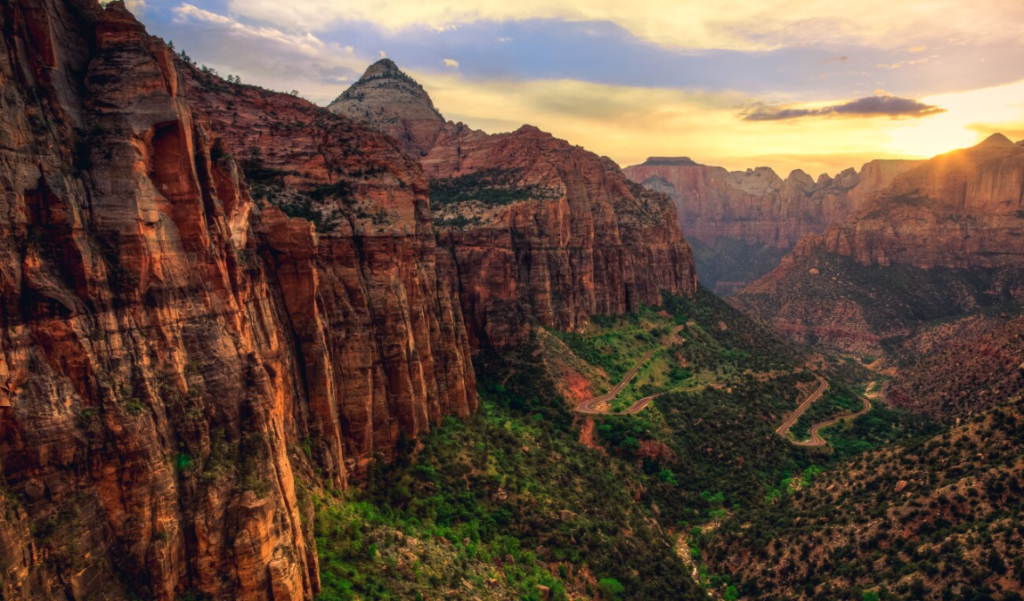
Zion National Park in Utah is one of the best examples of winter hiking without snow overload. Winter brings cooler temperatures, making hikes safer and more enjoyable compared to the scorching summer heat.
Snow occasionally dusts Zion’s red cliffs, creating a stunning contrast. Trails like canyon walks, river routes, and viewpoint hikes remain accessible most of the winter.
Why Zion is perfect for winter hiking:
- Comfortable temperatures
- Fewer crowds
- Open trails year-round
- Dramatic scenery enhanced by snow
For beginners, Zion is one of the safest winter national park options.
Bryce Canyon National Park – Snowy Wonderland
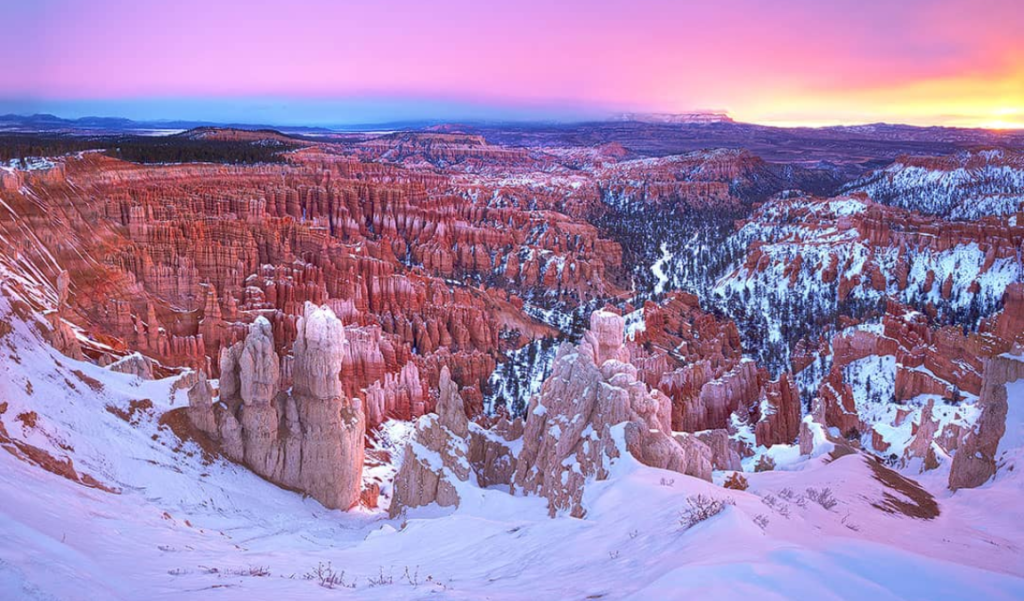
Bryce Canyon is famous for its hoodoos, and winter turns them into icy sculptures. Snow settles on orange rock formations, creating one of the most surreal landscapes in the US national park system.
Many trails remain open with snowshoe or traction use. Ranger-led snowshoe hikes are common and safe for first-timers.
Bryce Canyon is ideal for:
- Short winter hikes
- Scenic photography
- Beginners with basic winter gear
It is a must-have destination in any winter national park hiking guides list.
Rocky Mountain National Park – True Alpine Winter Hiking
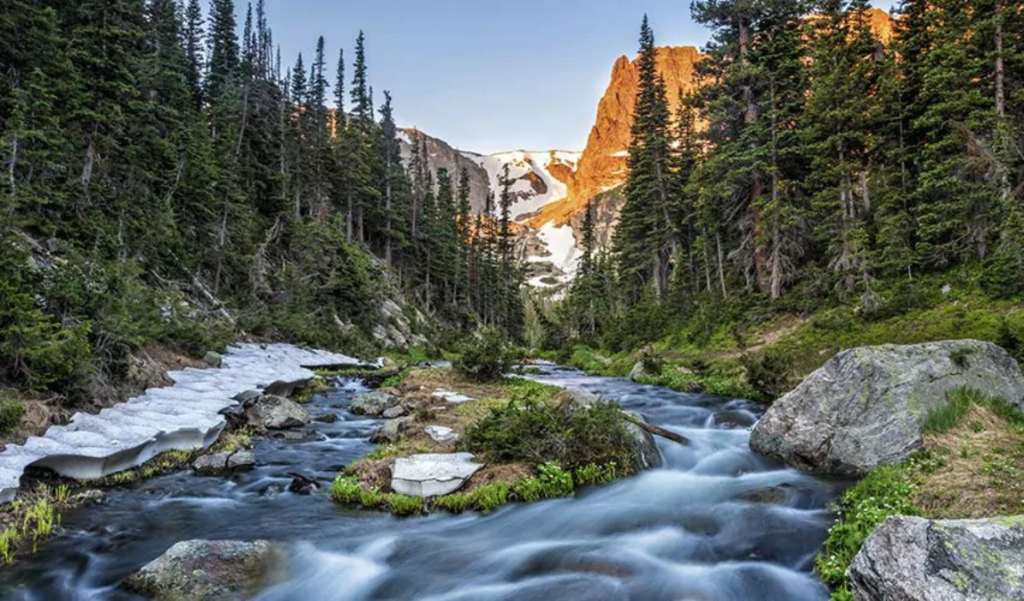
Rocky Mountain National Park offers classic alpine winter conditions. Snow-covered peaks, frozen lakes, and pine forests dominate the landscape. This park is ideal for experienced hikers who want real winter trekking.
Popular winter hikes include lake trails, valley routes, and forest loops. Wildlife such as elk and moose are often visible in lower elevations.
This park requires:
- Strong winter gear
- Snowshoe or traction knowledge
- Weather awareness
Rocky Mountain National Park is for those who want serious winter hiking adventure.
Great Smoky Mountains National Park – Winter Hiking in the East

Located on the border of North Carolina and Tennessee, the Smokies offer a milder winter hiking experience. Snowfall varies by elevation, and many lower trails remain accessible all winter.
Winter brings misty valleys, frozen waterfalls, and quiet forest paths. This park is excellent for travelers who want winter hiking without extreme conditions.
Ideal for:
- Eastern US travelers
- Waterfall lovers
- Moderate winter hikes
Desert National Parks – Best Winter Hiking Without Snow
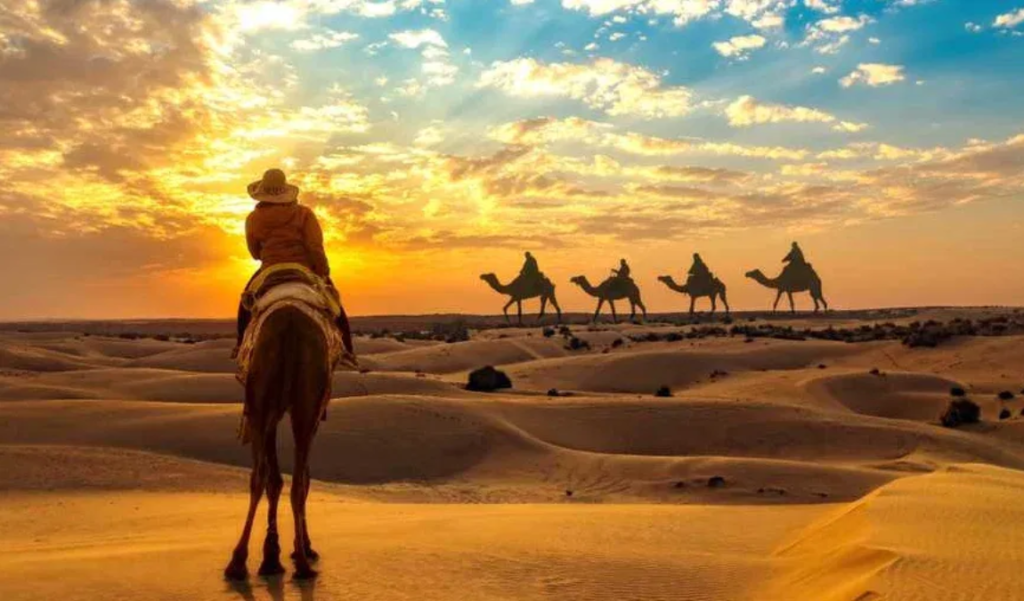
Some of the best winter national park hiking guides focus on desert parks, where winter is actually the best season to hike.
Top Desert Parks for Winter Hiking:
- Big Bend National Park (Texas)
- Death Valley National Park (California)
- Joshua Tree National Park (California)
Winter brings mild temperatures, clear skies, and safer hiking conditions. These parks are perfect for long-distance hikes and beginners.
Essential Gear for Winter National Park Hiking
Winter hiking requires proper gear for safety and comfort. Unlike summer hiking, mistakes in winter can be dangerous.
Clothing Essentials
- Insulated jacket
- Moisture-wicking base layers
- Waterproof outer shell
- Thermal gloves and hat
Footwear & Traction
- Waterproof hiking boots
- Microspikes or traction devices
- Snowshoes (where required)
Safety Gear
- Trekking poles
- Navigation tools
- Headlamp
- Emergency food and water
A reliable winter national park hiking guide always emphasizes preparation over speed.
Safety Tips for Winter Hiking in National Parks
Safety is the most important part of winter hiking. Conditions can change rapidly, especially in mountainous regions.
Key safety rules include:
- Always check weather forecasts
- Start hikes early
- Stay on marked trails
- Inform someone of your plan
- Turn back if conditions worsen
Winter hiking rewards patience and smart decision-making.
Wildlife Awareness During Winter
Wildlife behaves differently in winter. Animals conserve energy and may react defensively.
Tips:
- Maintain safe distances
- Never feed wildlife
- Carry bear spray where recommended
- Respect winter closures
Understanding wildlife behavior is part of responsible winter hiking.
Photography Tips for Winter National Parks
Winter is one of the best seasons for photography. Snow enhances colors and reflections.
Photography tips:
- Protect batteries from cold
- Use polarizing filters
- Shoot early morning and late afternoon
- Capture contrast between snow and landscape
Photography-focused winter hikes are gaining popularity among travel bloggers.
Planning a Winter National Park Hiking Trip
Good planning ensures a safe and enjoyable experience.
Planning checklist:
- Park accessibility
- Road closures
- Trail conditions
- Lodging availability
- Permit requirements
Advance planning separates casual visitors from smart trekkers.
Is Winter National Park Hiking Beginner-Friendly?
Yes—with the right parks and preparation. Many national parks offer beginner-friendly winter trails, ranger programs, and guided snowshoe hikes.
Beginner-friendly parks include:
- Zion
- Bryce Canyon
- Great Smoky Mountains
- Joshua Tree
Start small, gain confidence, and progress gradually.
Environmental Responsibility in Winter
Winter ecosystems are fragile. Foot traffic can damage snow-covered vegetation.
Always:
- Stay on designated trails
- Follow Leave No Trace principles
- Respect wildlife space
Responsible hiking protects parks for future generations.
Common Mistakes to Avoid During Winter Hiking
Avoid these common errors:
- Underestimating weather
- Wearing cotton clothing
- Ignoring trail closures
- Overestimating fitness
Learning from others’ mistakes is part of becoming a better hiker.
Frequently Asked Questions (FAQs)
1. Are national parks open for hiking in winter?
Yes, most parks remain open with some seasonal restrictions.
2. Do I need snowshoes for winter hiking?
Only in deep snow conditions; many trails are packed.
3. Is winter hiking dangerous?
It can be if unprepared, but safe with proper planning.
4. Which parks are best for beginners?
Zion, Bryce Canyon, Joshua Tree, and Smoky Mountains.
5. Are ranger-guided hikes available in winter?
Yes, many parks offer winter programs.
6. Is winter hiking cheaper?
Yes, lodging and crowds are significantly reduced.
7. Can families hike in winter?
Yes, on shorter and safer trails.
8. Do I need permits?
Some parks require permits for specific trails.
9. Is winter photography worth it?
Absolutely—winter landscapes are stunning.
10. What is the best month for winter hiking?
January and February offer peak winter scenery.
Final Thoughts: Why Winter National Park Hiking Is Worth It
Exploring national parks in winter is one of the most rewarding outdoor experiences in the USA. Snow-covered landscapes, peaceful trails, and dramatic scenery create unforgettable memories. With proper planning, safety awareness, and the right destination, winter hiking becomes accessible to everyone.
This Winter National Park Hiking Guides blog is designed to help travelers step confidently into winter adventure and experience America’s national parks in their most magical season.


Pingback: Warm Weather January Trekking in the USA – Best Snow-Free Trails