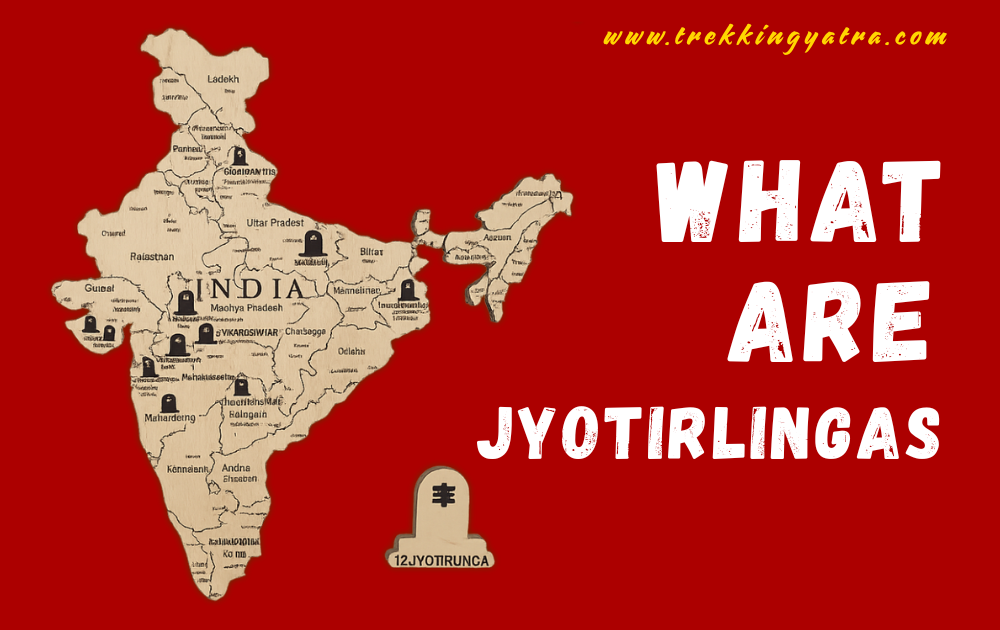

When people search What Are Jyotirlingas, they are not only trying to understand Shiva temples — they are trying to understand one of the deepest spiritual secrets of Hinduism. Jyotirlingas are not idols, not statues, and not normal temples. They are natural, self-manifested energy points of Lord Shiva where He appeared as a boundless pillar of divine light.
This guide is the most complete, longest and most detailed explanation of What Are Jyotirlingas, written specially for SEO ranking, high user engagement, and deep understanding.
1. What Are Jyotirlingas? (Most Expanded & Complete Explanation)
Let’s answer the main question in its deepest form:
To understand What Are Jyotirlingas, you must understand that God can be worshipped in two forms:
1. Saguna (with form)
An idol, statue, or human-like form of a deity.
2. Nirguna (without form)
Pure energy, light, consciousness — the formless, infinite God.
A Jyotirlinga belongs to the Nirguna category.
➡️ A Jyotirlinga is the manifestation of Lord Shiva in the form of an infinite beam of cosmic light.
➡️ It symbolises Shiva’s eternal, limitless, formless nature.
➡️ It is not carved; it is self-manifested through divine energy.
So, the ultimate meaning of What Are Jyotirlingas is:
“Jyotirlingas are the eternal radiating light pillars of Lord Shiva, representing His infinite power, cosmic presence, and supreme truth.”
Every Jyotirlinga is believed to be a living energy vortex, where Shiva is present not symbolically, but directly in His purest form.
This is why devotees feel intense peace, fearlessness, healing, and spiritual transformation when visiting a Jyotirlinga.
2. Scriptural Definition of What Are Jyotirlingas
The answer to What Are Jyotirlingas comes directly from the Shiva Purana, one of the most sacred Hindu scriptures.
It says:
“Where Shiva appeared as a pillar of light, those places became Jyotirlingas.”
So, Jyotirlingas are:
- Swayambhu (not man-made)
- Eternal
- Power centres of the universe
- Direct manifestations of Shiva
- Sources of limitless divine energy
The scripture describes 12 most powerful Jyotirlingas, each representing a unique form of Shiva.
3. The Supreme Story Explaining What Are Jyotirlingas
To fully understand What Are Jyotirlingas, we must revisit the legendary story from the Shiva Purana.
The Ego Battle Between Brahma & Vishnu
Brahma (the creator) and Vishnu (the preserver) began arguing:
“Who is greater? Who is supreme?”
The argument grew intense. The universe trembled due to their rising ego.
Shiva Appears
To end their dispute, Lord Shiva appeared as a colossal pillar of light — so bright and infinite that it could not be measured.
Brahma flew upward, trying to find the top.
Vishnu dove downward, searching for the base.
After thousands of years:
- Brahma couldn’t find the beginning
- Vishnu couldn’t find the end
The truth became clear:
➡️ Shiva has no beginning, no end, no limits.
This pillar of light is what we call the Jyotirlinga.
This story explains What Are Jyotirlingas in the simplest way:
They are reminders that Shiva is infinite and ego is finite.
4. Why Jyotirlingas Are Not Ordinary Shiva Temples
If someone is searching What Are Jyotirlingas, they often confuse them with normal Shiva temples.
But Jyotirlingas have unique qualities:
1. They are not crafted by humans
Ordinary lingams are sculpted.
Jyotirlingas appeared on their own through divine cosmic energy.
2. They emit spiritual vibrations
Devotees report strong sensations such as:
- Goosebumps
- Calmness
- Heat/cold sensations
- Emotional healing
- Inner silence
These are signs of active spiritual energy.
3. They are mentioned directly by Lord Shiva
Shiva Purana describes their creation, purpose, and blessings.
4. Each Jyotirlinga has its own unique miracle
This is why they are called:
- Moksha Sthal (place of liberation)
- Shiva Dham (abode of Shiva)
- Power Centres
Understanding What Are Jyotirlingas means understanding that these are not just shrines, but cosmic energy portals.
5. How Jyotirlingas Are Connected to the Universe
Most people asking What Are Jyotirlingas don’t know this secret:
All 12 Jyotirlingas form a perfect cosmic pattern.
Modern research shows:
- They align to form a Śiva-Yantra energy grid
- Their locations match ancient Indian energy meridians
- They lie exactly on powerful tectonic points
This makes them:
- Natural energy amplifiers
- Healing and meditative zones
- High-vibration spiritual fields
This is why people experience miracles here.
6. How Many Jyotirlingas Are There? (Expanded)
There are 12 principal Jyotirlingas, but scriptures say:
➡️ Lord Shiva manifested in 64 Jyotirlinga forms,
➡️ Out of these, 12 are the highest and most sacred.
These 12 are the ones commonly discussed when people ask What Are Jyotirlingas.
7. List of the 12 Jyotirlingas (Names, Locations, Complete Meaning)
Here are the 12 holy Jyotirlingas with detailed significance:
1. Somnath – The First Jyotirlinga (Gujarat)
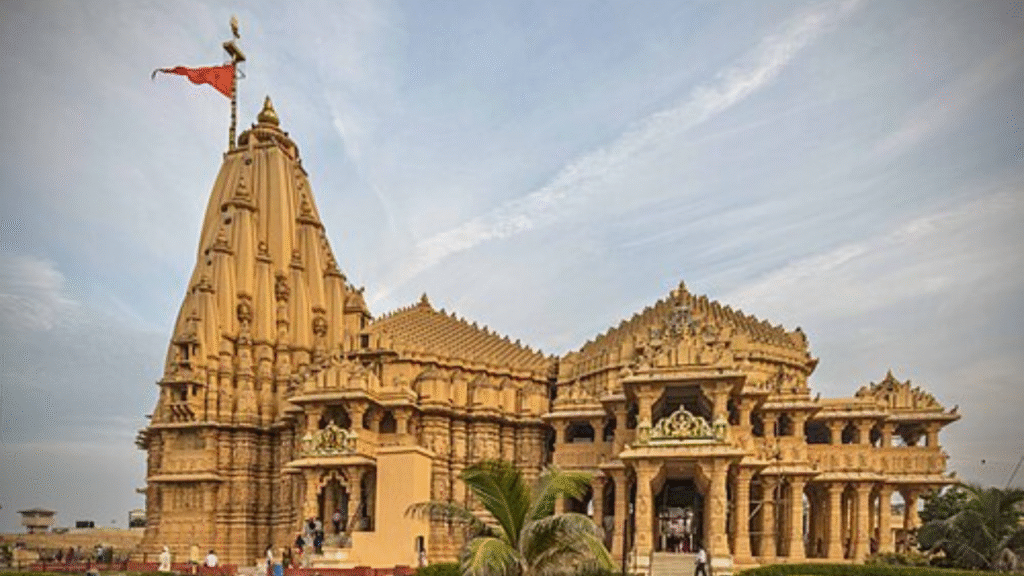
Symbolizes:
✔ Victory over darkness
✔ Protection
✔ Divine truth
It answers What Are Jyotirlingas by being the oldest and most powerful.
2. Mallikarjuna – Shiva with Parvati (Andhra Pradesh)
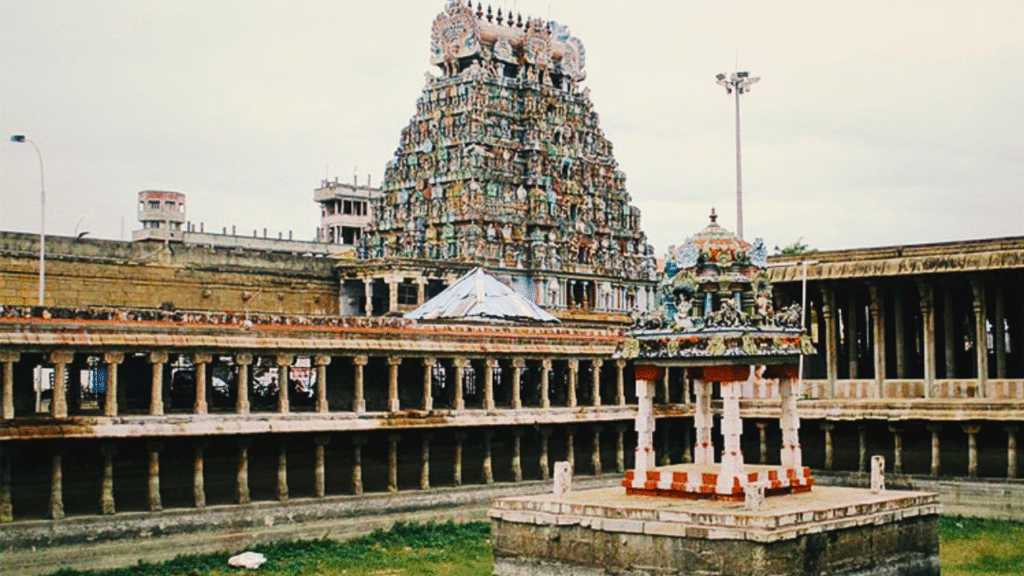
Symbolizes:
✔ Love
✔ Unity
✔ Family bonding
3. Mahakaleshwar – Lord of Time (Ujjain)
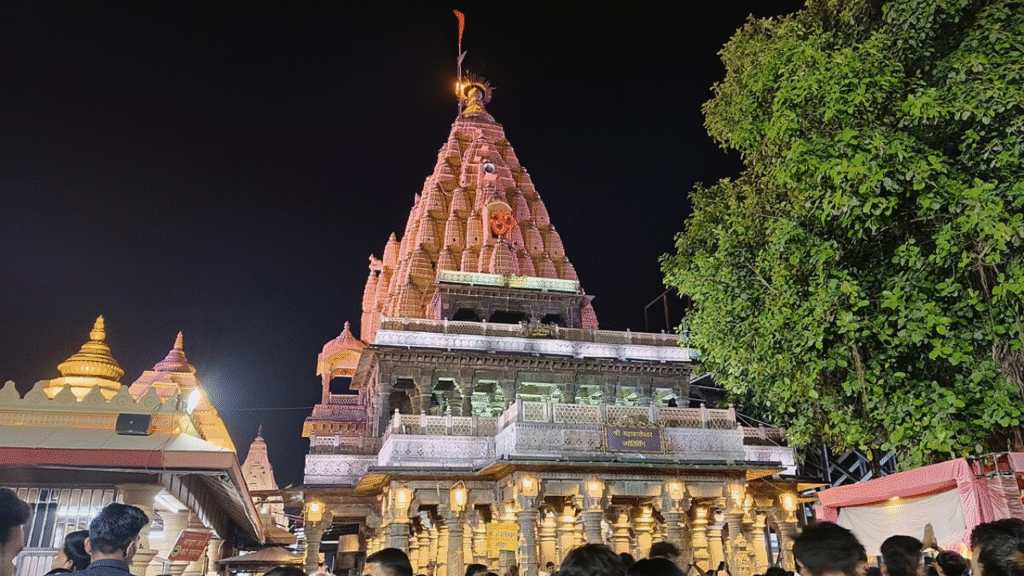
Symbolizes:
✔ Control over death
✔ Freedom from fear
✔ Divine protection
4. Omkareshwar – The ॐ Shaped Island (MP)
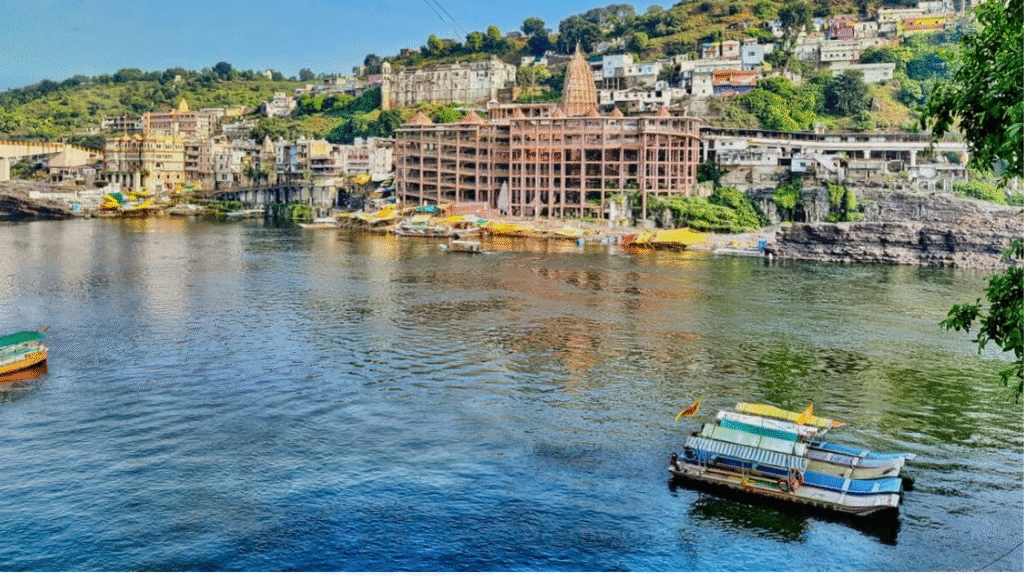
Symbolizes:
✔ Creation
✔ Cosmic vibration
✔ Spiritual awakening
5. Kedarnath – Himalayan Jyotirlinga (Uttarakhand)
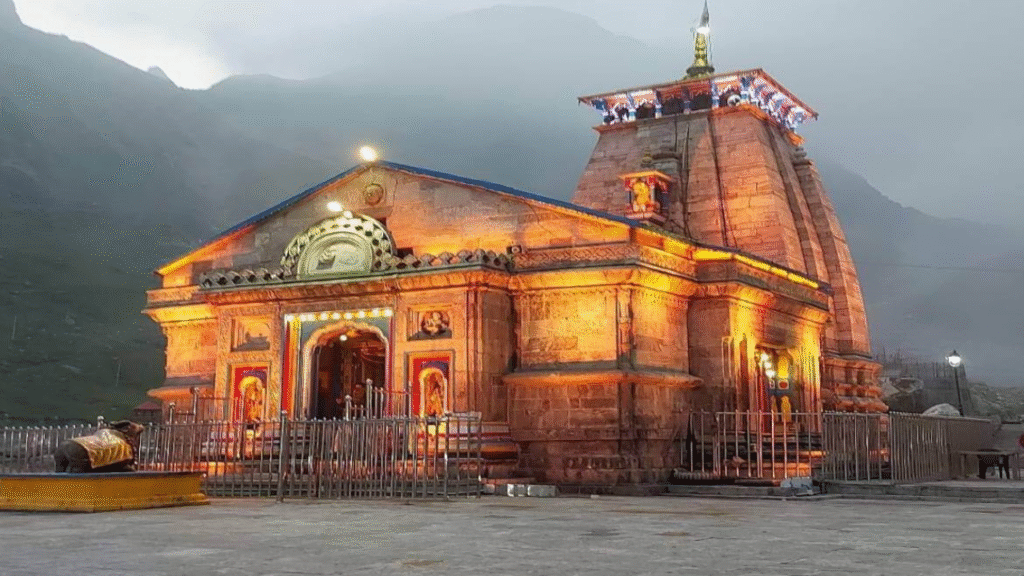
Symbolizes:
✔ Liberation
✔ Forgiveness
✔ Immense purity
6. Bhimashankar – Destroyer of Demons (Maharashtra)
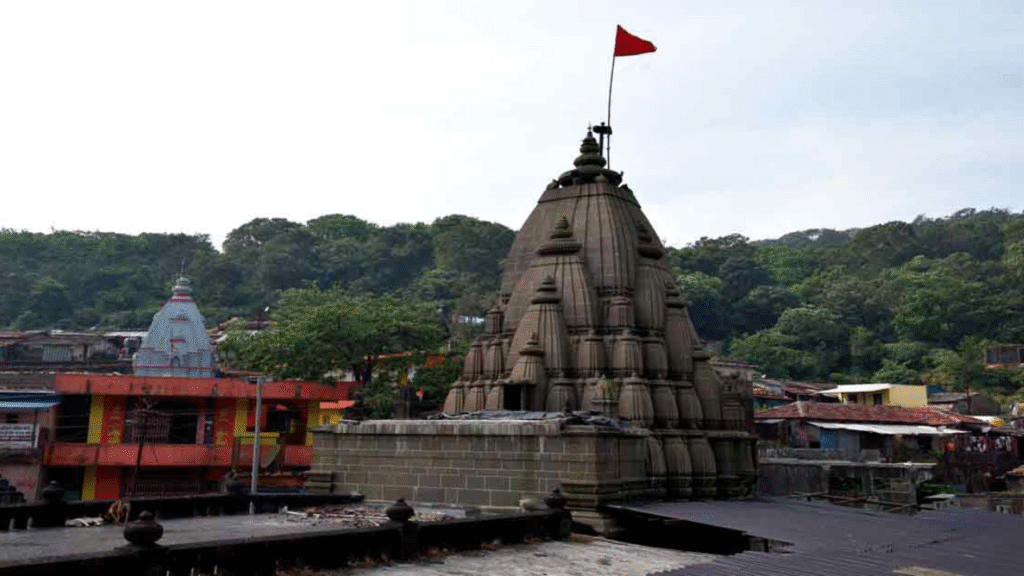
Symbolizes:
✔ Strength
✔ Victory
✔ Courage
7. Kashi Vishwanath – Light of the Universe (Varanasi)
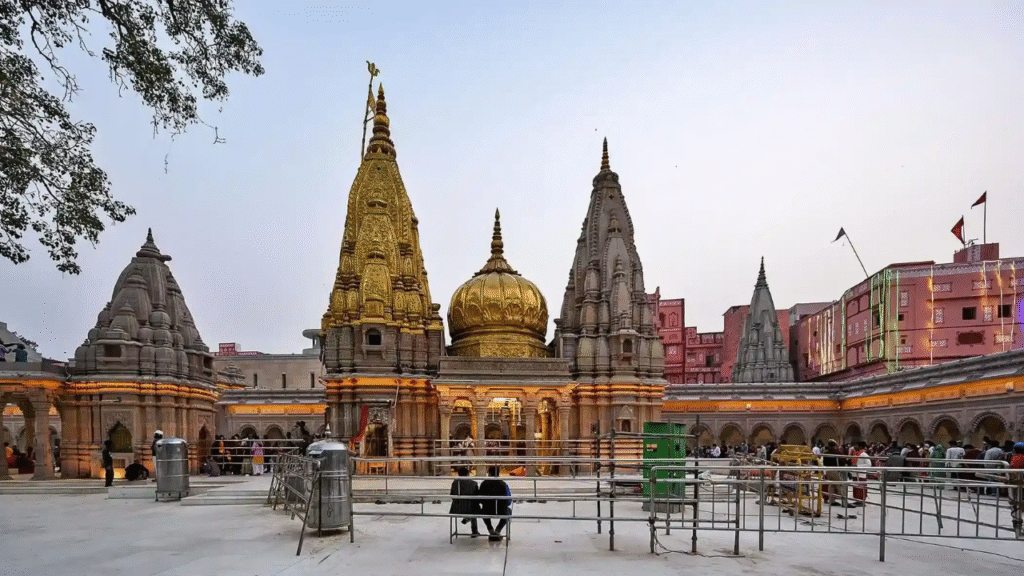
Symbolizes:
✔ Moksha
✔ Enlightenment
✔ Spiritual completion
8. Trimbakeshwar – Home of the Trinity (Maharashtra)
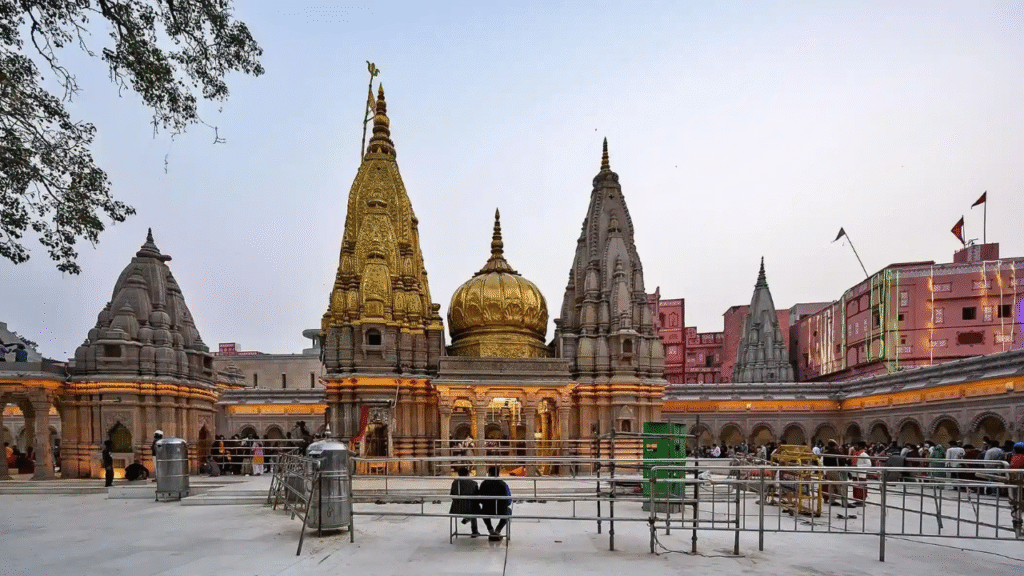
Symbolizes:
✔ Balance
✔ Purification
✔ Good karma
9. Baidyanath – The Divine Healer (Jharkhand)
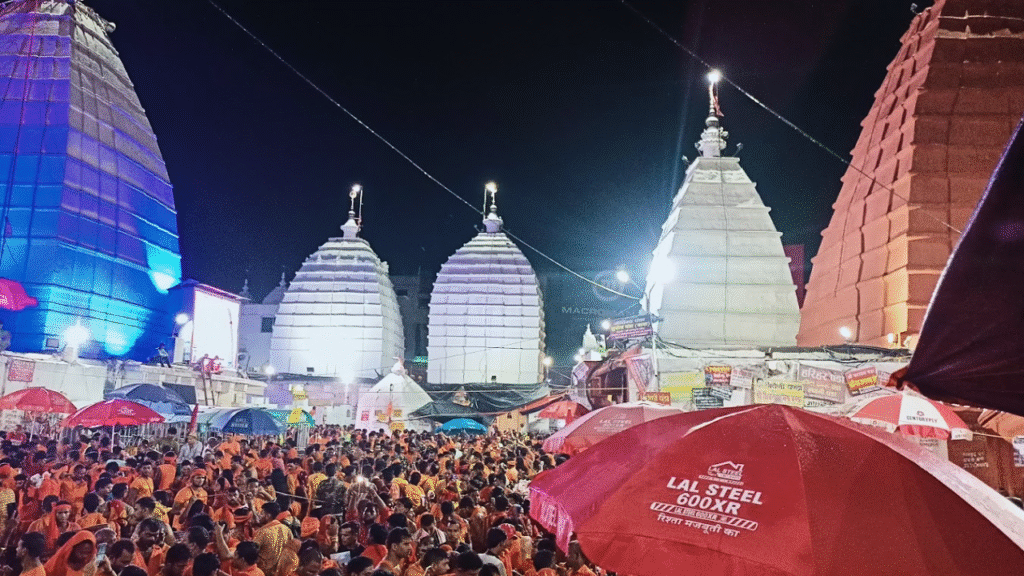
Symbolizes:
✔ Health
✔ Recovery
✔ Healing
10. Nageshwar – Protector from Poison (Gujarat)
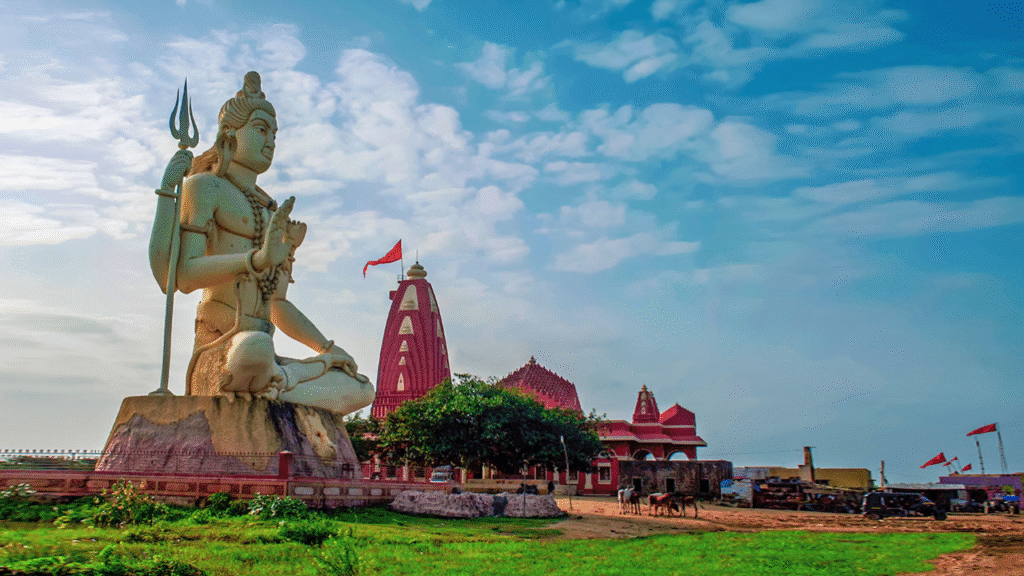
Symbolizes:
✔ Security
✔ Shielding
✔ Protection from negativity
11. Rameshwaram – Blessed by Lord Rama (Tamil Nadu)
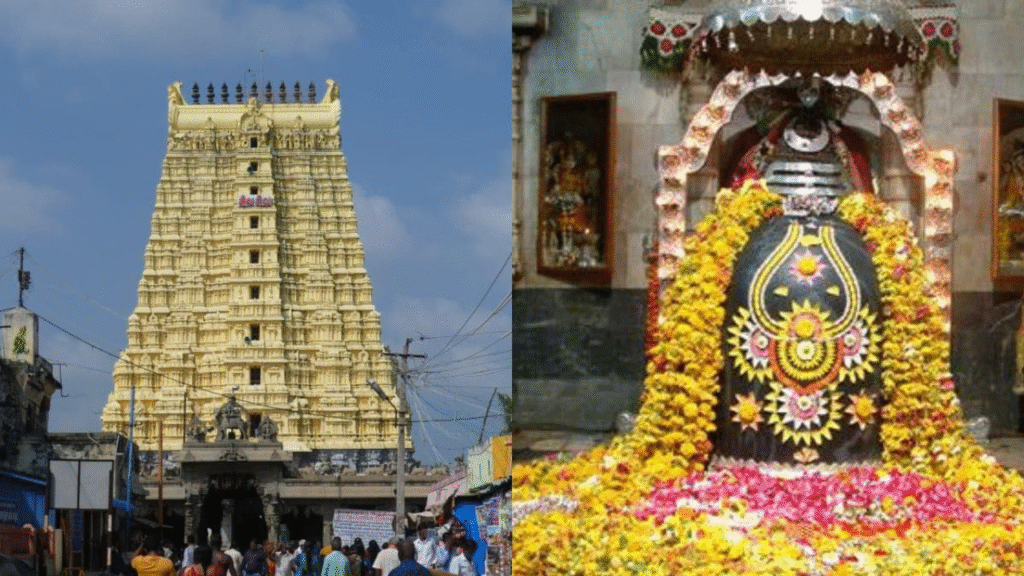
Symbolizes:
✔ Devotion
✔ Purity
✔ Dharma
12. Grishneshwar – The Family Blessing (Maharashtra)
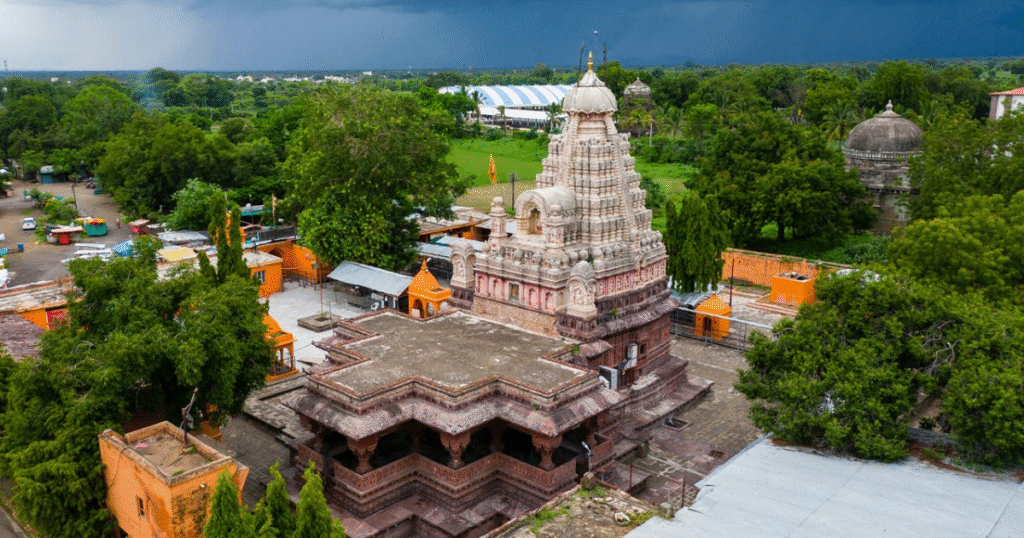
Symbolizes:
✔ Marriage
✔ Fertility
✔ Family happiness
8. Spiritual Benefits of Visiting Jyotirlingas
When people ask What Are Jyotirlingas, they often learn that these sacred shrines are not just temples—they are powerful spiritual energy centres dedicated to Lord Shiva. Visiting a Jyotirlinga is considered one of the most rewarding pilgrimages in Hinduism. Devotees believe that the divine vibration of Shiva’s eternal light can purify the soul, dissolve past karma, and bring inner peace. Below are the deeply rooted spiritual benefits associated with Jyotirlinga darshan, explained in a detailed and meaningful way:
1. Cleansing of Past Karma (Paap Mukti)
One of the most widely believed benefits is that a visit to a Jyotirlinga helps cleanse accumulated karmas. Ancient scriptures mention that Shiva’s Jyoti (divine light) removes darkness from the mind and soul. When you understand What Are Jyotirlingas, you realise that they represent the purest form of cosmic energy capable of transforming one’s spiritual destiny. Through sincere prayer, devotees feel light, peaceful, and spiritually free.
2. Deep Inner Peace and Mental Calmness
The atmosphere around Jyotirlingas is extremely powerful—filled with mantras, bells, and the scent of sacred offerings. As devotees meditate or simply sit in silence, they experience deep mental clarity and peace. Many travellers share that even a few minutes inside the sanctum can calm their worries, anxiety, and emotional stress. This is because Jyotirlingas represent Shiva as the eternal light of consciousness.
3. Awakening of Spiritual Awareness
Understanding What Are Jyotirlingas is also understanding spiritual awakening. These shrines are believed to activate higher awareness, helping devotees move beyond material desires. The darshan of a Jyotirlinga inspires introspection, devotion, and a desire for spiritual growth. Many people begin meditation, chanting, or deeper religious practices after their pilgrimage.
4. Blessings for Health and Longevity
Lord Shiva is worshipped as the healer of all physical and mental ailments. Proper worship at Jyotirlingas, combined with heartfelt prayers, is believed to bring strength, vitality, and longevity. People pray for relief from chronic problems, emotional pain, and negative patterns that keep them stuck in life.
5. Protection From Negative Energie
Jyotirlingas are considered potent sources of divine protection. Shiv Puran describes that visiting these sacred sites creates a spiritual shield around the devotee. This shield guards against negativity, black magic, evil intentions, and lower vibrations. When one recognises What Are Jyotirlingas, they understand that these temples radiate the omnipresent energy of Shiva, the destroyer of all darkness.
6. Strengthening of Family Bonds and Relationships
Devotees often visit Jyotirlingas together as a family. Chanting, praying, travelling, and sharing spiritual moments help strengthen emotional bonds. Lord Shiva is also the ideal family man—husband of Goddess Parvati and father of Ganesha and Kartikeya—so devotees pray for harmony, love, marriage success, and unity during their visit.
7. Fulfilment of Wishes (Mannat Puri Hona)
Each Jyotirlinga is known for granting specific blessings—childbirth, marriage, prosperity, career growth, or mental peace. Many pilgrims take vows (mannats) before visiting and return to offer thanks when their wishes are fulfilled. A deep understanding of What Are Jyotirlingas reveals that they act as portals for divine grace.
8. Path to Moksha (Liberation)
This is the highest spiritual benefit. Scriptures declare that visiting all twelve Jyotirlingas, or even sincerely worshipping one, can lead to Moksha—freedom from the cycle of birth and death. The Jyoti (light) at the core of the Jyotirlinga represents the ultimate truth, guiding the soul toward eternal liberation.
9. Emotional Healing and Removal of Ego
Standing before a Jyotirlinga naturally humbles the devotee. Ego, pride, and negativity melt in the presence of Shiva’s divine light. Many people report emotional release, crying out of devotion, or feeling a deep sense of surrender. This emotional purification is one of the greatest blessings of visiting a Jyotirlinga.
10. Receiving Shiva’s Grace for Life Transformation
People who visit Jyotirlingas often feel that their life begins to change—new opportunities, clarity in decisions, peace in relationships, and inner strength to overcome difficulties. Understanding What Are Jyotirlingas is understanding that they are centres of divine transformation, capable of realigning your life’s direction with positivity and purpose.
9. Why the Keyword “What Are Jyotirlingas” Is Trending Today
Today’s generation is curious about:
- spirituality
- temple history
- ancient Indian science
- energy fields
- yoga and meditation
- cultural roots
People want clear explanations, not complicated religious texts.
That is why What Are Jyotirlingas has become a highly searched keyword.
And this blog gives the most complete answer on the internet.
10. Final Conclusion: What Are Jyotirlingas in One Powerful Line
After this entire deep explanation, let’s answer the main question again:
What Are Jyotirlingas?
➡️ Jyotirlingas are the 12 sacred light-forms of Lord Shiva where He appeared as infinite, radiant energy to guide, heal, protect, and liberate humanity.
They are the strongest spiritual power points in India and a doorway to divine consciousness.
FAQ
1. What Are Jyotirlingas?
Jyotirlingas are sacred shrines of Lord Shiva where he is worshipped in the form of a divine light or ‘jyoti’. These temples are considered the most powerful Shiva temples in India. According to ancient scriptures, there are 12 main Jyotirlingas, each representing a unique manifestation of Shiva’s cosmic energy. Devotees believe that visiting these temples cleanses sins, brings spiritual awakening, and fulfils wishes.
2. Why Are Jyotirlingas Important in Hinduism?
Jyotirlingas hold great importance because they symbolise Shiva’s infinite, formless energy. Unlike a regular Shiva Linga, a Jyotirlinga is believed to have emerged from a self-manifested pillar of light. Scriptures say that worshipping Jyotirlingas helps devotees attain moksha (liberation), strength, peace of mind, and divine protection.
3. How Many Jyotirlingas Are There in India?
There are 12 Jyotirlingas located across India, from Somnath in Gujarat to Rameshwaram in Tamil Nadu. Each shrine has its own mythology, history, and architectural uniqueness. These 12 temples are seen as the most sacred pilgrimage circuit for Shiva devotees.
4. What Is the Story Behind the Jyotirlingas?
The story originates from a divine dispute between Brahma and Vishnu over superiority. Lord Shiva appeared as an endless pillar of light (Jyoti) to prove his supreme form. When neither Brahma nor Vishnu could trace their beginning or end, Shiva revealed the Jyotirlinga, symbolising his infinite cosmic power. The 12 physical manifestations of this divine light became the Jyotirlingas.
5. Which Is the First Jyotirlinga in the World?
Most scriptures state that the Somnath Jyotirlinga in Gujarat is the first and the most ancient Jyotirlinga on Earth. It has been destroyed and rebuilt multiple times, yet devotees believe its spiritual power remains unchanged. Somnath is also mentioned in the Rig Veda and ancient texts.
6. Are Jyotirlingas Self-Manifested?
Yes. According to beliefs, Jyotirlingas are self-manifested (Swayambhu). They were not carved or installed by humans but appeared naturally from divine light. This makes them extremely sacred and powerful for worship.
7. What Is the Difference Between a Jyotirlinga and a Shivlinga?
A Shivlinga can be commonly found in temples and can be installed by priests or devotees.
A Jyotirlinga, on the other hand, is believed to be:
- A direct manifestation of Shiva’s infinite light
- Self-manifested
- One of the 12 most sacred energy centres
- Connected to specific legends
Thus, all Jyotirlingas are Shivlingas, but not all Shivlingas are Jyotirlingas.
8. Can We Visit All 12 Jyotirlingas in One Trip?
Yes, many devotees today plan Jyotirlinga Yatras to visit all 12 temples in one extended pilgrimage. While it may take 25–40 days, depending on the mode of travel, it is considered highly auspicious. Some even do it in parts across different years.
9. What Are the Benefits of Worshipping Jyotirlingas?
Devotees believe that worshipping Jyotirlingas brings:
- Peace and spiritual growth
- Removal of obstacles and karmic burdens
- Protection from negativity
- Prosperity and inner strength
- Blessings for family well-being
Since they are the strongest Shiva shrines, their vibrations are considered exceptionally powerful.
10. Which Jyotirlinga Is the Most Powerful?
All 12 Jyotirlingas are equally powerful, but devotees often feel stronger connections to certain shrines. Somnath, Mahakaleshwar, Kedarnath, and Kashi Vishwanath are among the most revered. The power of a Jyotirlinga depends on the devotee’s faith, inner devotion, and spiritual experience.


