

The Himalayas have always called out to dreamers. For decades, trekkers chasing that perfect sunrise over snow-capped giants flocked to Poon Hill. But in 2026, something is changing. A quieter, more authentic, and far less crowded trail is stealing the spotlight — Mohare Danda, now widely being called the New Poon Hill for 2026.
If you’re planning your next Himalayan adventure and want breathtaking sunrise views without the shoulder-to-shoulder crowd, this guide is your complete roadmap.
Let’s explore why Mohare Danda is redefining Himalayan trekking in 2026.
What Is Mohare Danda?
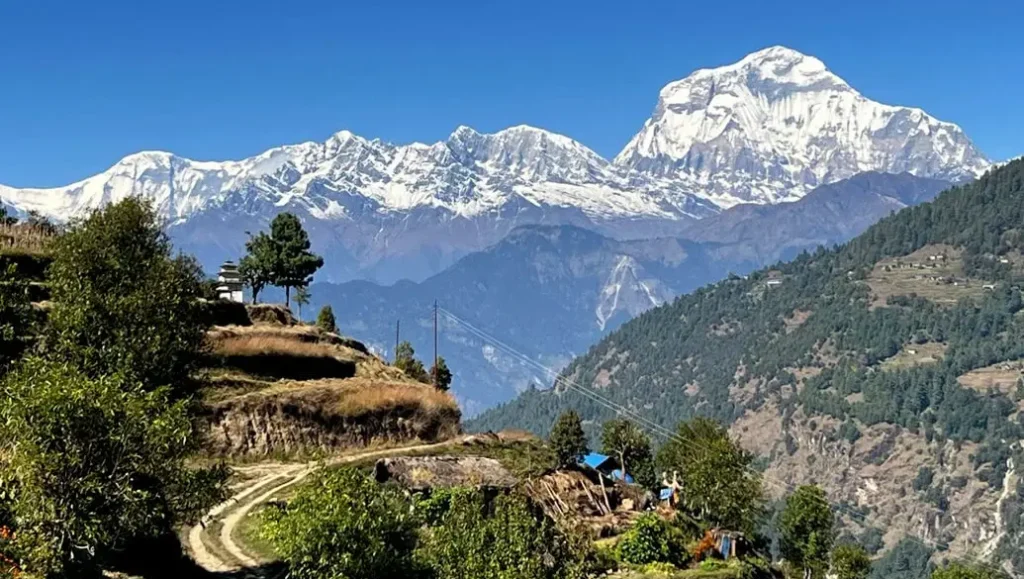
Mohare Danda is a scenic hilltop ridge in the Annapurna region of Nepal, located at an altitude of approximately 3,300 meters (10,827 feet). It offers panoramic Himalayan views similar to the famous Poon Hill — but with fewer tourists and a stronger focus on eco-tourism and community lodges.
Situated within the Annapurna Conservation Area, Mohare Danda provides stunning views of:
- Dhaulagiri (8,167m)
- Annapurna South
- Machapuchare (Fishtail)
- Nilgiri
Unlike commercial trekking routes, Mohare Danda emphasizes sustainability, local culture, and peaceful nature immersion.
Why Mohare Danda Is the New Poon Hill for 2026
The phrase New Poon Hill for 2026 isn’t just a trend — it reflects a shift in traveler preference.
Here’s why:
1. Escape from Overtourism
Poon Hill sees thousands of trekkers annually. During peak season, sunrise viewpoints are crowded.
In contrast, Mohare Danda offers:
- Wide open viewpoints
- Peaceful sunrise experiences
- No noisy crowds
- Cleaner trails
Travel in 2026 is shifting toward responsible tourism. Trekkers want authenticity over popularity.
2. Community-Based Eco Tourism Model
Unlike commercial lodges, Mohare Danda follows a community lodge model.
Your money directly supports:
- Local schools
- Healthcare
- Village infrastructure
- Women’s employment programs
This makes the trek not just scenic, but meaningful.
3. Same Himalayan Drama, Better Perspective
Many trekkers claim Mohare Danda actually offers better panoramic views than Poon Hill.
Why?
- Higher elevation
- Wider 360-degree view
- Closer Dhaulagiri range visibility
- Fewer obstructions
You experience the full Himalayan amphitheater in silence.
4. Ideal for 2026 Travel Trends
Travel forecasts suggest 2026 will emphasize:
- Sustainable tourism
- Remote experiences
- Digital detox trips
- Less commercialized destinations
Mohare Danda perfectly aligns with these trends.
Why Mohare Danda Is Important for Modern Trekkers
Today’s travelers seek connection — not just checklists.
Mohare Danda represents:
- Slow travel
- Cultural immersion
- Eco-conscious trekking
- Community impact travel
In a world of Instagram hotspots, it remains refreshingly real.
For travel bloggers (like you, Sahil), this location offers early-mover advantage content before it becomes mainstream.
Detailed Guide to Mohare Danda Trek
Trek Overview
- Duration: 5–7 Days
- Maximum Elevation: 3,300m
- Difficulty: Moderate
- Best Season: March–May & September–November
- Starting Point: Galeshwor or Beni
- Ending Point: Tikot or Tatopani
Step-by-Step Itinerary Guide
Day 1: Pokhara to Galeshwor – Trek to Banskharka
The adventure begins with a drive from Pokhara. The trail climbs gradually through forests and traditional villages.
Expect:
- Stone steps
- Local farms
- Warm community lodges
Day 2: Banskharka to Nangi
Nangi village is known for educational initiatives and local development programs.
You’ll walk through:
- Rhododendron forests
- Terraced fields
- Gurung & Magar settlements
Day 3: Nangi to Mohare Danda (Main Viewpoint)
This is the most rewarding day.
As you ascend:
- Air gets thinner
- The forest becomes denser
- Himalayan peaks begin revealing themselves
Sunrise next morning? Pure magic.
Day 4–5: Descend via Tikot or Tatopani
Optional extension to Tatopani for natural hot springs relaxation.
Benefits of Choosing Mohare Danda Over Poon Hill in 2026
✔ Less Crowded Experience
✔ Authentic Village Culture
✔ Eco-Friendly Accommodation
✔ Better Sunrise Photography
✔ Supports Local Communities
✔ Budget-Friendly Alternative
Cost Breakdown for 2026
Estimated expenses:
| Item | Cost (USD) |
|---|---|
| Permit Fees | $30–40 |
| Accommodation (per night) | $15–25 |
| Meals (per day) | $20–30 |
| Guide (optional) | $25–30/day |
Total estimated cost: $350–$600, depending on duration and services.
Common Mistakes to Avoid
- Underestimating altitude
- Skipping acclimatization
- Packing heavy bags
- Ignoring weather updates
- Not carrying enough cash (ATMs unavailable)
Expert Tips for 2026 Trekkers
- Start trek early morning for best views
- Carry power bank (limited electricity)
- Choose off-peak months (April & October ideal)
- Hire local guide for deeper cultural understanding
- Stay extra day for weather buffer
Mohare Danda vs Poon Hill: Quick Comparison
| Feature | Mohare Danda | Poon Hill |
|---|---|---|
| Crowd Level | Low | High |
| View Quality | Panoramic 360° | Excellent |
| Eco Tourism | Strong | Limited |
| Infrastructure | Basic | Developed |
| Photography | Ideal | Crowded |
Who Should Choose Mohare Danda?
- Solo travelers
- Travel bloggers
- Nature photographers
- Couples seeking quiet
- First-time Himalayan trekkers wanting an offbeat experience
Frequently Asked Questions (FAQs)
1. Why is Mohare Danda called the New Poon Hill for 2026?
Because it offers similar or better Himalayan sunrise views with significantly fewer crowds, making it the top alternative in 2026.
2. Is Mohare Danda suitable for beginners?
Yes. It’s moderately challenging but manageable with basic fitness.
3. How difficult is the Mohare Danda trek compared to Poon Hill?
Slightly more challenging due to longer walking hours, but less crowded and more rewarding.
4. What permits are required for Mohare Danda?
You need:
- Annapurna Conservation Area Permit (ACAP)
- TIMS Card (if required by 2026 regulations)
5. What is the best time to visit Mohare Danda in 2026?
March–May and September–November offer clear skies and stable weather.
6. Can I do Mohare Danda without a guide?
Yes, but hiring a guide enhances cultural understanding and safety.
7. Is Mohare Danda better than Poon Hill?
If you value peace, sustainability, and authenticity — absolutely yes.
Internal Linking Suggestions
If publishing on your trekking blog:
- Link to “Best Time to Visit Nepal for Trekking”
- Link to “Complete Guide to Annapurna Base Camp”
- Link to “Budget Trekking in Nepal 2026”
- Link to “Eco Tourism Destinations in South Asia”
External Authoritative Sources to Reference
- Nepal Tourism Board
- Annapurna Conservation Area official website
- Himalayan Climate Research Studies
- Responsible Travel Nepal
(These improve EEAT signals.)
Final Thoughts: Is Mohare Danda the Future of Himalayan Trekking?
Travel in 2026 is about intention.
Not noise.
Not crowds.
Not social media checklists.
Mohare Danda represents the future — sustainable, soulful, and spectacular.
It truly deserves the title New Poon Hill for 2026.
If you’re planning a Himalayan trek next year, skip the obvious and embrace the authentic.
Ready to Experience the New Poon Hill for 2026?
Start planning your Mohare Danda trek today.
Bookmark this guide.
Share it with your trekking partner.
And choose an adventure that gives back.
Because the Himalayas are best enjoyed in silence.

