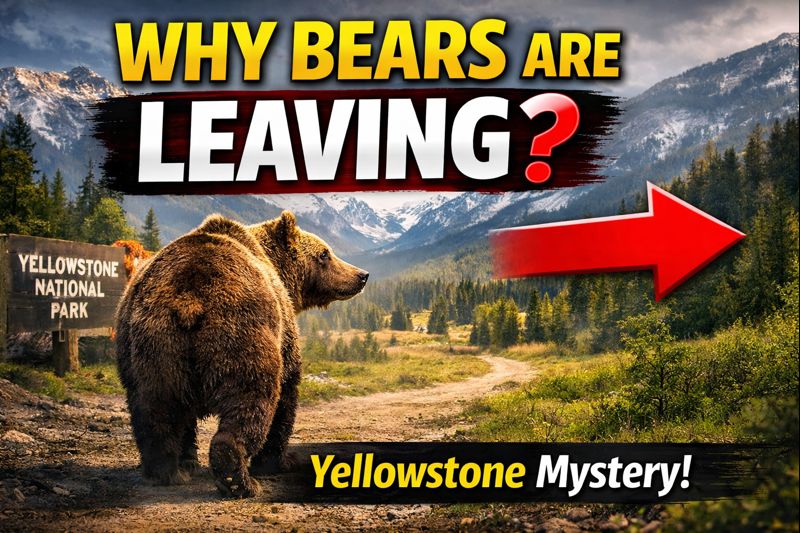

The phenomenon of bears leaving Yellowstone National Park has fascinated wildlife experts, tourists, conservationists, and nature lovers for decades. Yellowstone is often imagined as a perfectly protected wilderness where animals remain safely within park boundaries forever. In reality, nature does not follow human-made borders. Bears—especially grizzly bears and black bears—regularly move beyond Yellowstone National Park, and this movement is both natural and necessary for their survival.
Understanding bears leaving Yellowstone National Park is essential to understanding how ecosystems function, how wildlife adapts to changing environments, and how humans must responsibly coexist with large predators. This detailed guide explores every aspect of this topic—from migration patterns and seasonal behavior to climate change, food availability, human conflict, and conservation efforts.
Understanding Yellowstone National Park and Its Bear Population
Yellowstone National Park is one of the largest and most ecologically significant protected areas in the United States. Spanning nearly 3,500 square miles across Wyoming, Montana, and Idaho, it provides habitat for one of the most iconic bear populations in North America.
There are two primary bear species living in Yellowstone:
- Grizzly Bears (Ursus arctos horribilis)
- American Black Bears (Ursus americanus)
Both species play a critical role in maintaining ecological balance. However, Yellowstone alone cannot meet all its long-term needs, which is a major reason behind bears leaving Yellowstone National Park.
Why Bears Leave Yellowstone National Park
The movement of bears outside the park is not random or dangerous by default. In fact, bears leaving Yellowstone National Park is a natural behavior influenced by biological, environmental, and ecological factors.
Search for Food Resources
Food availability is the main reason bears leave Yellowstone National Park. Bears need large amounts of calories, especially before hibernation.
- Grizzly bears may consume 20,000 calories per day in late summer and fall
- Natural food sources inside the park fluctuate yearly
- Poor berry crops or declining whitebark pine nuts force bears to expand their range
When food becomes scarce, bears follow instinct, not boundaries.
Seasonal Patterns of Bears Leaving Yellowstone National Park
Spring Movement
In spring, bears emerge from hibernation hungry and weak. At this time:
- Snow still covers high elevations
- Food is limited inside the park
- Bears move to lower elevations outside Yellowstone
This seasonal pattern explains why bears are often seen leaving Yellowstone National Park during the early part of the year.
Summer Expansion
During summer:
- Bears follow ripening vegetation
- Insects, berries, and carcasses vary by region
- Males especially roam long distances
Summer is a peak period for bears leaving Yellowstone National Park, particularly young males establishing new territory.
Fall Hyperphagia
Fall is the most critical time of year. Bears enter hyperphagia, a phase of intense eating before hibernation.
- Bears may travel 50–100 miles
- Human-bear conflicts increase
- Bears seek high-calorie foods wherever available
This is when bears leaving Yellowstone National Park become most noticeable and controversial.
Grizzly Bears vs Black Bears: Different Movement Behaviors
Grizzly Bears Leaving Yellowstone National Park
Grizzly bears:
- Require large territories
- Are more likely to travel outside the park
- Face a higher risk of conflict
Because of their size and dietary needs, grizzly bears leaving Yellowstone National Park is more common and more heavily monitored.
Black Bears Leaving Yellowstone National Park
Black bears:
- Are more adaptable
- Avoid humans when possible
- Often move quietly into forested areas
Though less publicized, black bears leaving Yellowstone National Park happen just as frequently.
The Role of Climate Change in Bears Leaving Yellowstone National Park
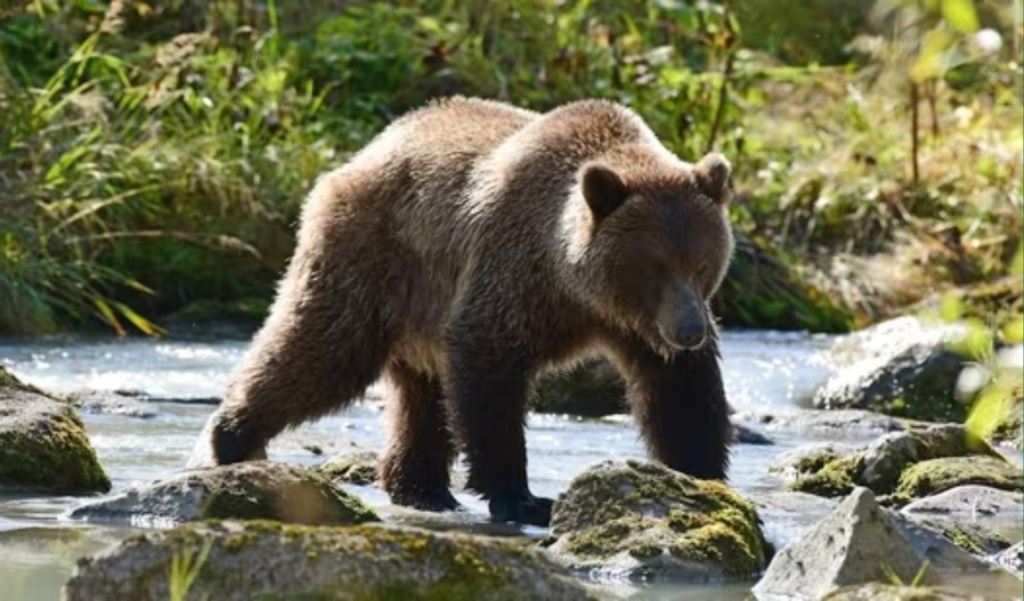
Climate change has dramatically altered bear behavior in recent decades.
Shrinking Natural Food Sources
- Whitebark pine decline due to beetle infestations
- Shorter berry seasons
- Altered insect populations
As climate change reshapes ecosystems, bears leaving Yellowstone National Park have become more frequent and unpredictable.
Longer Active Seasons
Warmer temperatures mean:
- Bears stay active longer
- Hibernation begins later
- Food demand increases
This extended activity pushes bears beyond park boundaries.
Human Development and Bears Leaving Yellowstone National Park
Human expansion near Yellowstone has created new challenges.
Attractive but Dangerous Food Sources
- Livestock
- Garbage
- Crops
- Pet food
When bears discover these resources, bears leaving Yellowstone National Park becomes dangerous for both animals and humans.
Roads and Settlements
Modern infrastructure intersects traditional wildlife corridors. Bears following ancient migration routes now encounter:
- Highways
- Ranches
- Towns
This increases the mortality risk during bears leaving Yellowstone National Park events.
Wildlife Corridors and Bear Migration Routes
Wildlife corridors are essential pathways that allow safe animal movement.
Greater Yellowstone Ecosystem
The Greater Yellowstone Ecosystem extends far beyond park boundaries. It includes:
- National forests
- Wilderness areas
- Private lands
Bears leaving Yellowstone National Park are often still within this larger ecosystem, even if outside the park itself.
Are Bears Leaving Yellowstone National Park a Threat?
The presence of bears outside the park often causes fear, but the reality is nuanced.
Risk to Humans
- Most bears avoid humans
- Attacks are extremely rare
- Conflicts usually involve food conditioning
Education reduces the fear of bears leaving Yellowstone National Park.
Risk to Bears
Ironically, bears face greater danger than humans:
- Vehicle collisions
- Illegal killings
- Management removals
Many bears die after leaving Yellowstone National Park, not because they are aggressive, but because humans fail to coexist responsibly.
Conservation Efforts Addressing Bears Leaving Yellowstone National Park
Multiple agencies work to protect bears beyond park borders.
Monitoring and Tracking
- GPS collars
- DNA analysis
- Population studies
Tracking helps scientists understand patterns of bears leaving Yellowstone National Park.
Conflict Prevention Programs
- Bear-proof trash containers
- Livestock protection methods
- Community education
These measures save both human lives and bear lives.
Legal Status of Bears Leaving Yellowstone National Park
Grizzly Bear Protection Laws
Grizzly bears are protected under various state and federal laws.
- Hunting restrictions
- Relocation programs
- Population caps
The management of bears leaving Yellowstone National Park is influenced by legal frameworks.
Tourism and Bears Leaving Yellowstone National Park
Tourism both helps and harms bear conservation.
Positive Impacts
- Funding for conservation
- Public awareness
- Scientific research
Negative Impacts
- Improper food storage
- Wildlife harassment
- Traffic congestion
Responsible tourism plays a crucial role in conversations about bears leaving Yellowstone National Park.
What Scientists Say About Bears Leaving Yellowstone National Park
Wildlife biologists widely agree on one key point:
Bears leaving Yellowstone National Park is a sign of ecological success, not failure.
A growing bear population naturally expands outward. This movement indicates:
- Healthy reproduction
- Stable ecosystems
- Functional migration patterns
What Happens When Bears Leave Yellowstone National Park Permanently
Some bears establish permanent home ranges outside the park.
- Females with cubs seek safer zones
- Males dominate new territories
- Populations spread naturally
Leaving Yellowstone National Park is essential for the long-term survival of its species.
The Future of Bears Leaving Yellowstone National Park
Looking ahead, this phenomenon will likely increase.
Reasons for Continued Expansion
- Population growth
- Climate pressure
- Habitat fragmentation
The challenge is not stopping bears from leaving Yellowstone National Park, but learning how to live with them.
How Humans Can Coexist with Bears Leaving Yellowstone National Park
Coexistence is possible and proven.
- Secure food sources
- Respect wildlife space
- Support conservation
When humans adapt, bears leaving Yellowstone National Park become a shared success story.
FAQs: Bears Leaving Yellowstone National Park
1. Why are bears leaving Yellowstone National Park?
Bears are leaving Yellowstone National Park mainly to search for food, establish new territories, and follow natural migration patterns. Seasonal food shortages and population growth encourage bears to move beyond park boundaries.
2. Is it normal for bears to leave Yellowstone National Park?
Yes, bears leaving Yellowstone National Park are completely natural. Wildlife does not recognize human-made borders, and bears have always traveled across large landscapes to survive.
3. Which bears are leaving Yellowstone National Park more often?
Grizzly bears are more frequently seen leaving Yellowstone National Park due to their larger territory needs, but black bears also regularly move outside the park.
4. During which season do bears leave Yellowstone National Park the most?
Fall is the peak season for bears leaving Yellowstone National Park because bears enter hyperphagia and search aggressively for high-calorie food before hibernation.
5. Are bears leaving Yellowstone National Park dangerous to humans?
Most bears leaving Yellowstone National Park avoid humans. Conflicts usually occur only when bears gain access to human food sources like garbage or livestock.
6. Does climate change affect bears leaving Yellowstone National Park?
Yes, climate change significantly affects bear leaving Yellowstone National Park by reducing natural food availability, shortening berry seasons, and altering hibernation cycles
7. Where do bears go after leaving Yellowstone National Park?
After leaving Yellowstone National Park, bears often move into nearby national forests, wilderness areas, and parts of the Greater Yellowstone Ecosystem.
8. Are bears protected after leaving Yellowstone National Park?
Yes, bear leaving Yellowstone National Park are still protected under state and federal wildlife laws, especially grizzly bears, which are closely monitored.
9. Do bears ever return after leaving Yellowstone National Park?
Many bears return seasonally. Bear leaving Yellowstone National Park often move back and forth depending on food availability and weather conditions.
10. How far can bears travel after leaving Yellowstone National Park?
Bears can travel 50 to 100 miles or more after leaving Yellowstone National Park, especially adult males searching for food or mates.
11. Does tourism increase bears leaving Yellowstone National Park?
Indirectly, yes. Improper food storage and increased human presence can influence bear leaving Yellowstone National Park by attracting them to food-rich areas outside the park.
12. What happens if bears leaving Yellowstone National Park enter towns?
If bear leaving Yellowstone National Park and enter towns, wildlife officials may attempt hazing, relocation, or, in rare cases, removal to protect both humans and bears.
13. Are bears leaving Yellowstone National Park a sign of overpopulation?
Not necessarily. Bear leaving Yellowstone National Park often indicate a healthy and growing population expanding into suitable habitats.
14. How do scientists track bears leaving Yellowstone National Park?
Scientists use GPS collars, camera traps, and DNA analysis to study bears leaving Yellowstone National Park and understand their movement patterns.
15. Can humans prevent bears from leaving Yellowstone National Park?
Bears cannot and should not be prevented from leaving Yellowstone National Park. Instead, humans must focus on coexistence, habitat protection, and reducing food attractants.
Conclusion: Why Bears Leaving Yellowstone National Park Matters
The story of bears leaving Yellowstone National Park is ultimately a story of nature’s resilience. Bears move because they must—because survival demands adaptation, exploration, and courage.
Rather than viewing these movements as a threat, we should recognize them as proof that Yellowstone’s bears are thriving. The responsibility now lies with humans to protect migration routes, reduce conflicts, and honor the ancient rhythms of the wild.
As long as bears continue leaving Yellowstone National Park, they remind us of a powerful truth: wildlife does not belong to parks—parks belong to wildlife.


Pingback: Bison Cliffside Fall Yellowstone National Park – Truth Explained