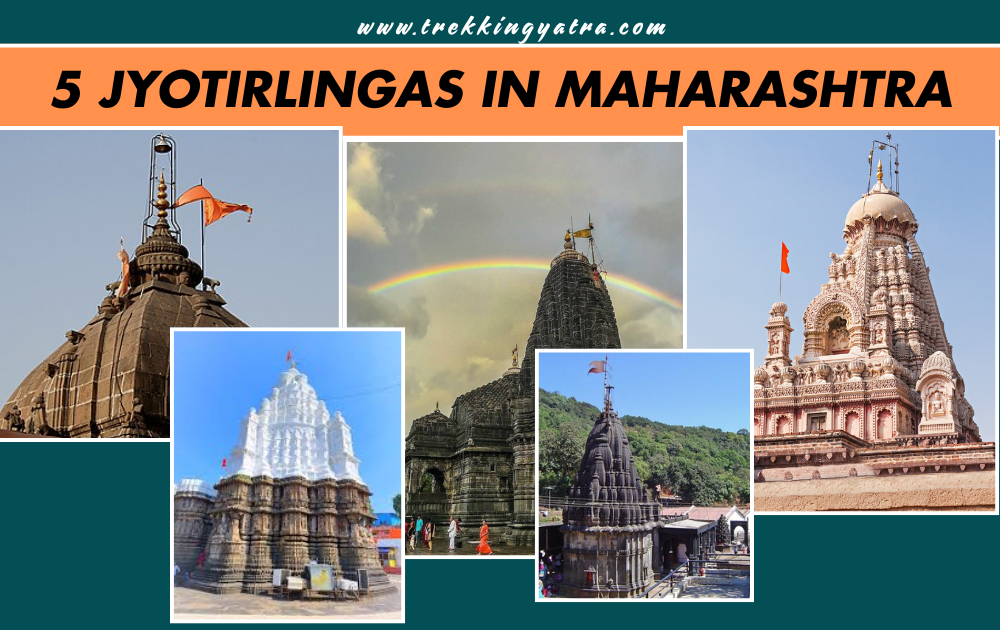

🕉️ 5 Jyotirlingas in Maharashtra – A Journey Through Shiva’s Sacred Abodes
Maharashtra is known not only for its culture and forts but also for its deep spiritual energy. Among the 12 Jyotirlingas of Lord Shiva in India, five are found right here in Maharashtra. 🙏
These sacred temples — Trimbakeshwar, Bhimashankar, Grishneshwar, Aundha Nagnath, and Parli Vaijnath — form a spiritual circuit that every devotee dreams of visiting once in a lifetime.
This blog takes you through their legends, architecture, timings, travel tips, and divine experiences — all in one guide. 🌿
✨ What Are Jyotirlingas?
The word Jyotirlinga means “Radiant Symbol of Shiva.” According to Hindu Puranas, Lord Shiva appeared as a pillar of light — an infinite column that had neither beginning nor end — to show his supreme power.
There are 12 Jyotirlingas in India, and each is believed to represent a different manifestation of Shiva’s divine light.
Maharashtra proudly hosts five of these sacred sites, making it a major destination for Shiv Bhakts (devotees).
🔱 “To travel these Jyotirlingas is to walk through faith, devotion, and the timeless presence of Shiva.”
🌸 1. Trimbakeshwar Jyotirlinga (Nashik)
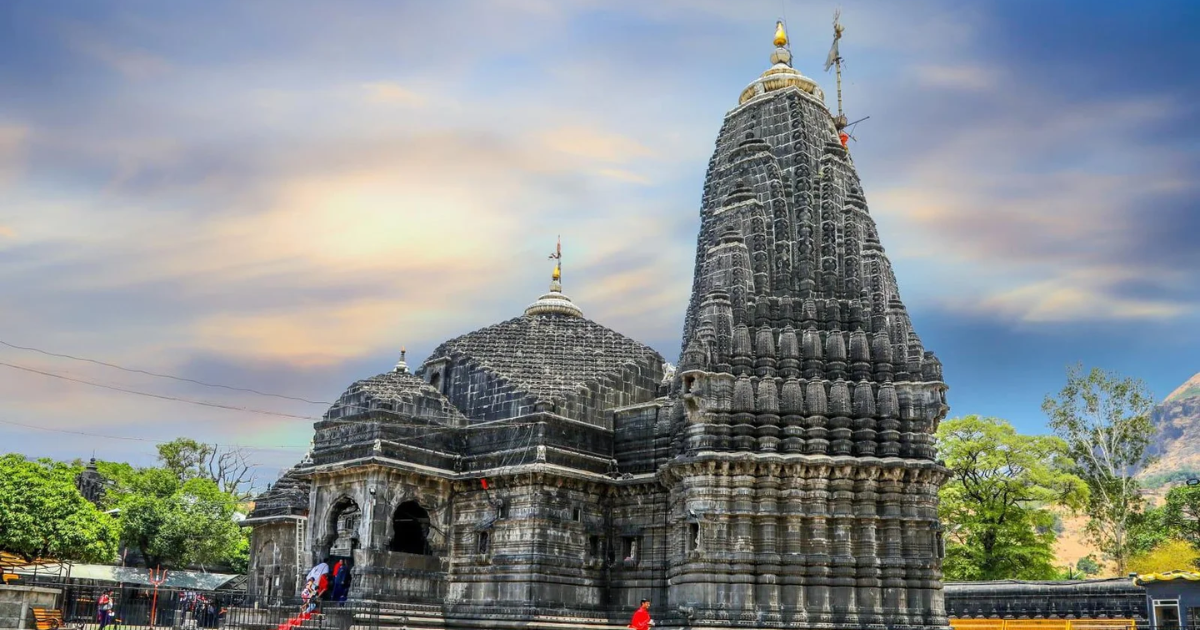
🏔️ Location
Nestled in the town of Trimbak, around 28 km from Nashik, this temple lies near the origin of the Godavari River — one of India’s holiest rivers.
🕉️ Significance
The Trimbakeshwar Jyotirlinga is unique because the Shiv Lingam here has three faces, symbolizing Brahma, Vishnu, and Mahesh (Shiva).
It’s said to represent the unity of creation, preservation, and destruction — the three cosmic forces.
🪔 Legend
As per mythology, Gautam Rishi and his wife Ahalya performed great penance here. To bless them, Lord Shiva manifested as a Jyotirlinga and released the holy river Godavari.
🌼 Many believe that bathing in the Kushavarta Kund near the temple washes away lifetimes of karma.
📍 Travel Tips
- Nearest city: Nashik (30 km)
- Best time: July to February
- Carry water and comfortable footwear
- Early morning darshan (6 AM–9 AM) is peaceful and less crowded
🌿 2. Bhimashankar Jyotirlinga (Pune District)
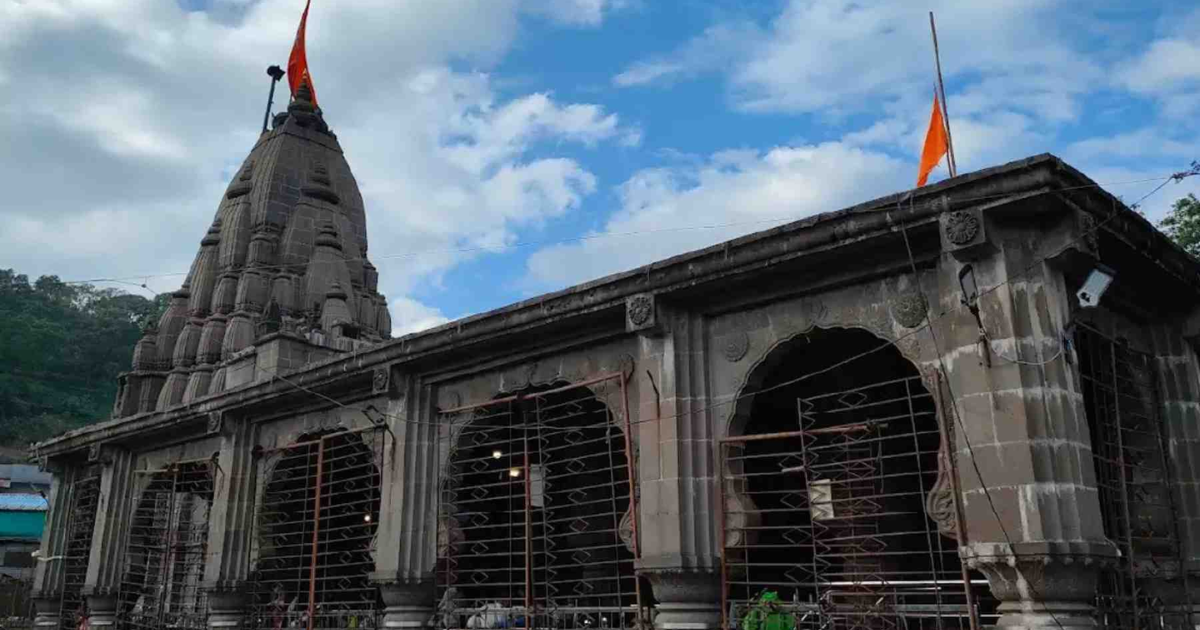
🏞️ Location
Set amid the lush Sahyadri Hills, around 110 km from Pune, Bhimashankar is famous for its serene forests and the origin of the river Bhima.
💫 Significance
The temple is built in the ancient Hemadpanthi style and blends spirituality with nature. It is also a gateway to the Bhimashankar Wildlife Sanctuary, home to rare species like the Giant Squirrel (Shekru).
🕉️ Legend
According to the Shiva Purana, Lord Shiva appeared here to defeat the demon Tripurasura, who was causing chaos in the three worlds. After slaying him, Shiva rested here; thus, the place became a Jyotirlinga.
💭 It is said that the sound of the river flowing here echoes Shiva’s Om chant through the forest!
📍 Travel Tips
- Distance: 110 km from Pune / 220 km from Mumbai
- Ideal season: Monsoon to Winter (July to Feb)
- Perfect for a short trek and spiritual getaway
- Carry rain gear and warm clothes in winter
🏰 3. Grishneshwar Jyotirlinga (Aurangabad District)
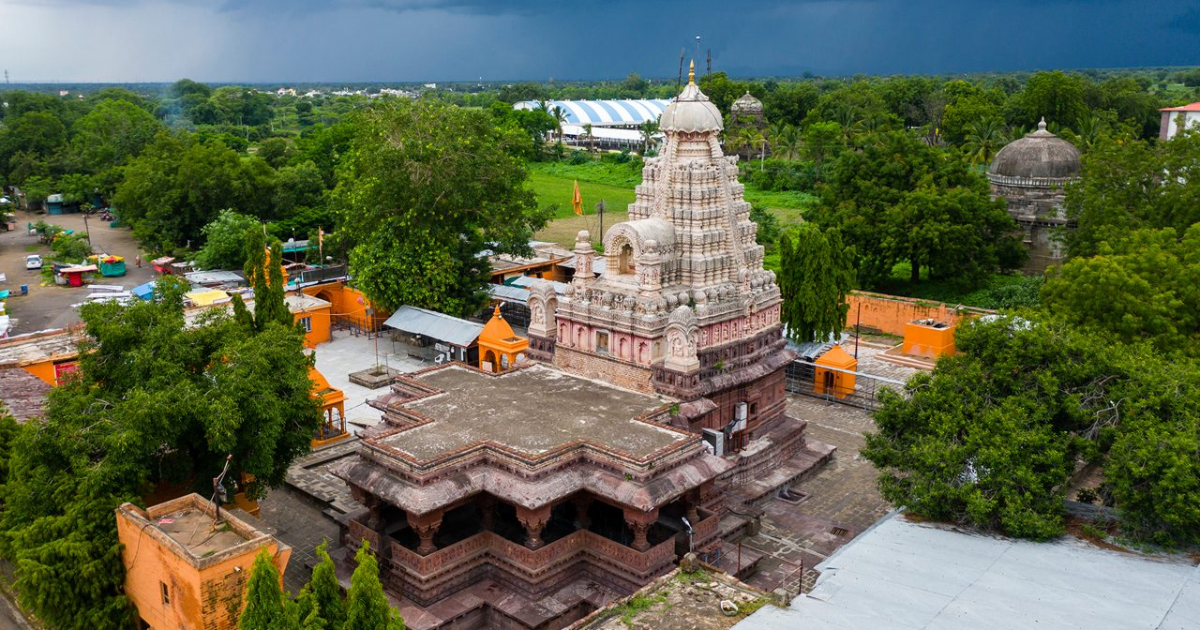
🌅 Location
Located just 1 km from the UNESCO World Heritage Site Ellora Caves, Grishneshwar is the last Jyotirlinga in the list of 12 sacred shrines in India.
💎 Significance
This temple is a marvel of architecture, built in red stone with intricate sculptures of Hindu deities. It’s one of the smallest Jyotirlingas but holds immense energy and devotion.
🕉️ Legend
A devoted woman named Kusuma used to offer water on a Shivling daily. Out of jealousy, her husband’s second wife killed her son and threw him into the river. Yet, Kusuma continued her ritual with unwavering faith. Pleased by her devotion, Lord Shiva revived her son and manifested here as the Grishneshwar Jyotirlinga.
✨ True devotion can even bring back life – Grishneshwar reminds us that faith never dies.
📍 Travel Tips
- Nearest city: Aurangabad (30 km)
- Combine with Ellora Caves and Daulatabad Fort
- Temple entry opens from 5 AM to 9 PM
- Modest dress code for both men and women
🌻 4. Aundha Nagnath Jyotirlinga (Hingoli District)
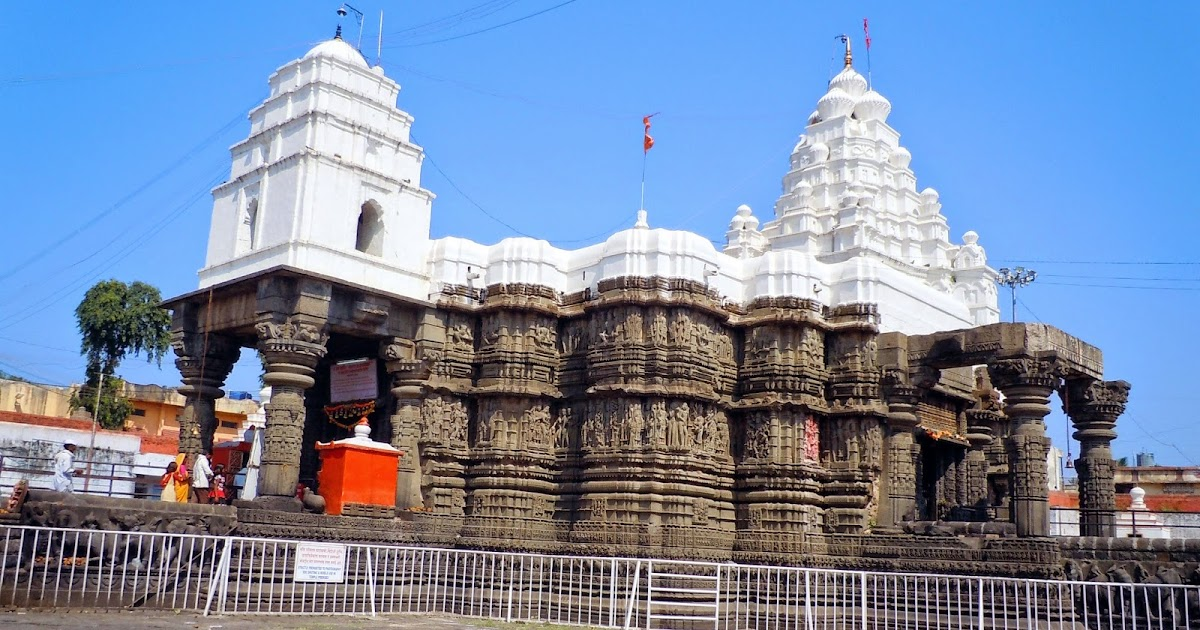
🕉️ Location
Situated in the town of Aundha, in the Hingoli district, this is believed to be the first Jyotirlinga on earth — older than Kashi Vishwanath in Varanasi.
🌿 Significance
The temple is built in the Hemadpanthi style and partly underground, giving it a mystical feel. The inner sanctum is dark and peaceful, symbolizing the formless nature of Shiva.
💫 Legend
During the Pandavas’ exile, Yudhishthira is said to have built this temple to worship Lord Shiva. Saint Namdev also once sang bhajans here, and it’s believed that the temple miraculously turned to face him.
💬 “When devotion sings, even stone turns its face toward the singer.”
📍 Travel Tips
- Nearest town: Hingoli (25 km)
- Best season: October to March
- Carry a torch if you wish to explore the inner sanctum
- Fewer crowds – great for peaceful meditation
🌺 5. Parli Vaijnath Jyotirlinga (Beed District)
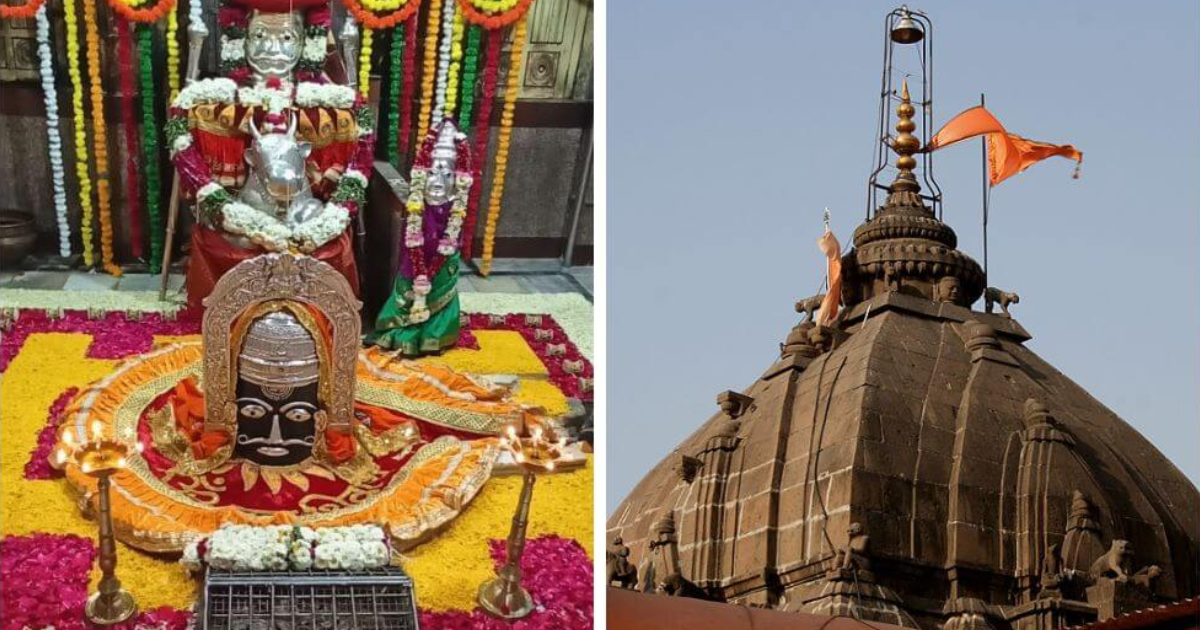
🌄 Location
In the town of Parli, Beed district, stands the Parli Vaijnath Temple, the fifth Jyotirlinga of Maharashtra and one of the most famous among healers and saints.
🌟 Significance
The word Vaijnath means “Lord of Medicine.” It is believed that Shiva manifests here as a divine healer who relieves suffering and disease.
🕉️ Legend
The story goes that Ravana, the devotee of Shiva, performed severe penance and was gifted a Shiv Linga by Lord Shiva himself. But due to certain circumstances, the Linga fell at Parli and became a Jyotirlinga — signifying the eternal bond between devotion and healing.
🕯️ Even Shiva can melt for a devotee’s love – Parli Vaijnath teaches us that sincere prayer never goes unheard.
📍 Travel Tips
- Nearest city: Beed (25 km) / Latur (60 km)
- Ideal season: Winter (October to February)
- Attend Maha Shivratri for a grand festival experience
- Maintain patience – lines can be long during festivals
🗺️ Suggested Travel Route for 5 Jyotirlingas in Maharashtra
You can cover all five temples in a single trip of 5–6 days.
| Day | Route | Distance | Suggestion |
|---|---|---|---|
| 1 | Pune → Bhimashankar | 110 km | Start with forest blessings 🌿 |
| 2 | Bhimashankar → Trimbakeshwar | 240 km | Visit Godavari’s origin ✨ |
| 3 | Trimbakeshwar → Grishneshwar | 175 km | Add Ellora Caves tour 🏛️ |
| 4 | Grishneshwar → Parli Vaijnath | 200 km | Calm temple vibe 🕉️ |
| 5 | Parli → Aundha Nagnath | 130 km | End with ancient peace 🙏 |
🧳 Total Distance: ≈ 850–900 km
🚗 Best Mode: Car or Private Cab
🕗 Duration: 5–6 Days
🔱 Why You Should Take This Pilgrimage
- Spiritual Renewal: Each temple represents a different form of Shiva – healer, protector, creator.
- Architectural Heritage: Ancient stone craft and devotional art that speak centuries of history.
- Natural Beauty: Hills, forests, and rivers create perfect backdrops for travel and photography.
- Cultural Connection: Local festivals like Maha Shivratri offer a glimpse into Maharashtra’s rich tradition.
- Peace of Mind: These temples carry an aura that helps silence the noise of daily life.
💖 A journey to the 5 Jyotirlingas in Maharashtra is not just travel — it’s transformation.
🧘♂️ Essential Tips Before You Go
✅ Carry modest clothing and scarves for temple entry
✅ Avoid meat and alcohol during the yatra
✅ Prefer early morning darshan (4 AM – 9 AM)
✅ Keep cash – digital payment is limited in small villages
✅ Book stays in advance during festivals
✅ Respect local rituals and maintain silence inside sanctums
✅ Keep hydrated – especially during summer months
🌄 Best Time to Visit the Jyotirlingas
- Winter (October – February): Perfect for pleasant weather and comfortable travel.
- Monsoon (June – September): Ideal for Bhimashankar and Trimbakeshwar as the region turns lush green.
- Avoid Summer (April – June): Hot temperatures may make travel exhausting.
🕉️ Festivals & Celebrations
- Maha Shivratri (Feb–Mar): The biggest festival dedicated to Lord Shiva – temples are decorated and open all night.
- Shravan Month (July–August): Special poojas and holy baths in Godavari and other rivers.
- Nag Panchami: Celebrated at Aundha Nagnath with special rituals and devotee processions.
💬 Interesting Facts You Might Not Know
🌿 Trimbakeshwar’s Shivling has three faces symbolizing the Trinity (Brahma, Vishnu, Shiva).
🔥 Bhimashankar is the origin of the Bhima River.
🪔 Grishneshwar is the smallest but most artistically carved Jyotirlinga.
⛩️ Aundha Nagnath is believed to be the oldest Jyotirlinga in India.
🌸 Parli Vaijnath is also known as the Healing Shiva Temple.
FAQ
❓ 1. How many Jyotirlingas are there in Maharashtra?
There are five Jyotirlingas in Maharashtra — Trimbakeshwar, Bhimashankar, Grishneshwar, Aundha Nagnath, and Parli Vaijnath. These are part of the 12 sacred Jyotirlingas in India dedicated to Lord Shiva.
❓ 2. What is the best time to visit the 5 Jyotirlingas in Maharashtra?
The best time to visit these Jyotirlingas is from October to February, during the winter season, when the weather is pleasant and ideal for travel and temple darshan.
❓ 3. Which is the oldest Jyotirlinga in Maharashtra?
The Aundha Nagnath Jyotirlinga in Hingoli district is believed to be the oldest Jyotirlinga in Maharashtra — and possibly the first Jyotirlinga in India.
❓ 4. How can I cover all 5 Jyotirlingas in one trip?
You can complete the 5 Jyotirlinga Yatra in 5–6 days by following this route:
Pune → Bhimashankar → Trimbakeshwar → Grishneshwar → Parli Vaijnath → Aundha Nagnath.
Private taxis or car rentals are most convenient. 🚗
❓ 5. What is special about Trimbakeshwar Jyotirlinga?
The Trimbakeshwar Jyotirlinga is unique because the Shivling here has three faces representing Brahma, Vishnu, and Shiva — symbolizing the divine trinity.
❓ 6. Why is Parli Vaijnath Jyotirlinga called the “Healing Temple”?
Parli Vaijnath Jyotirlinga is also known as the Lord of Medicine (Vaidyanath) because devotees believe that prayers here cure physical and emotional ailments. 💫
❓ 7. Which Jyotirlinga is near Ellora Caves?
The Grishneshwar Jyotirlinga is located just 1 km from Ellora Caves, making it an ideal stop for both spiritual seekers and history lovers.
❓ 8. Are women allowed to enter the sanctum of Jyotirlingas in Maharashtra?
Yes ✅, women are allowed to enter the sanctum (garbhagriha) of most Jyotirlingas in Maharashtra, including Grishneshwar and Trimbakeshwar, though local customs may vary slightly.
❓ 9. What festivals are celebrated at the 5 Jyotirlingas in Maharashtra?
Major festivals include Maha Shivratri, Shravan Maas, and Nag Panchami, when temples are beautifully decorated and thousands of devotees visit for special darshan and night-long prayers.
❓ 10. Which Jyotirlinga should be visited first in Maharashtra?
You can start with Bhimashankar Jyotirlinga, located near Pune, and then continue your journey to the others. This route is convenient and follows a spiritual progression from west to east Maharashtra.
🌼 Conclusion
The 5 Jyotirlingas in Maharashtra are not merely temples — they are living sources of spiritual energy.
Each one tells a story of faith, sacrifice, and divine love. From the forest paths of Bhimashankar to the


