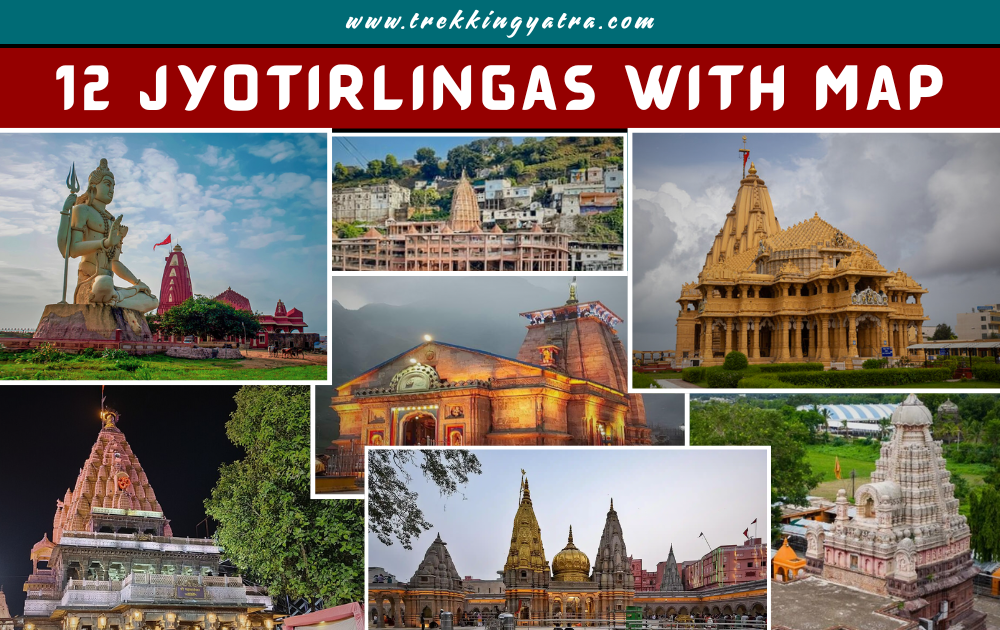

12 Jyotirlingas in India with Map – Complete Travel Guide (2025)
India, the land of spirituality, is home to countless temples, each holding a special significance in Hindu mythology. But among them, the 12 Jyotirlingas of Lord Shiva hold the highest reverence. These sacred shrines represent the places where Lord Shiva appeared as a column of light — a symbol of infinite power and purity.
“Jyoti” means light, and “Linga” means symbol, and together, Jyotirlinga means “the radiant symbol of Shiva.” Each Jyotirlinga represents a different manifestation of Lord Shiva and tells a story of his divine play (Leela) on Earth.
Visiting all 12 Jyotirlingas, spread across India, is considered one of the holiest pilgrimages — known as the Dwadasa Jyotirlinga Yatra. In this detailed guide, we’ll explore every Jyotirlinga’s legend, location, temple architecture, best time to visit, and travel tips — along with a map of all 12 Jyotirlingas in India.
🗺️ 12 Jyotirlingas in India With Map

List of the 12 Jyotirlingas:
- Somnath – Gujarat
- Mallikarjuna – Andhra Pradesh
- Mahakaleshwar – Madhya Pradesh
- Omkareshwar – Madhya Pradesh
- Kedarnath – Uttarakhand
- Bhimashankar – Maharashtra
- Kashi Vishwanath – Uttar Pradesh
- Trimbakeshwar – Maharashtra
- Vaidyanath – Jharkhand
- Nageshwar – Gujarat
- Rameshwaram – Tamil Nadu
- Grishneshwar – Maharashtra
🌅 1. Somnath Jyotirlinga, Gujarat
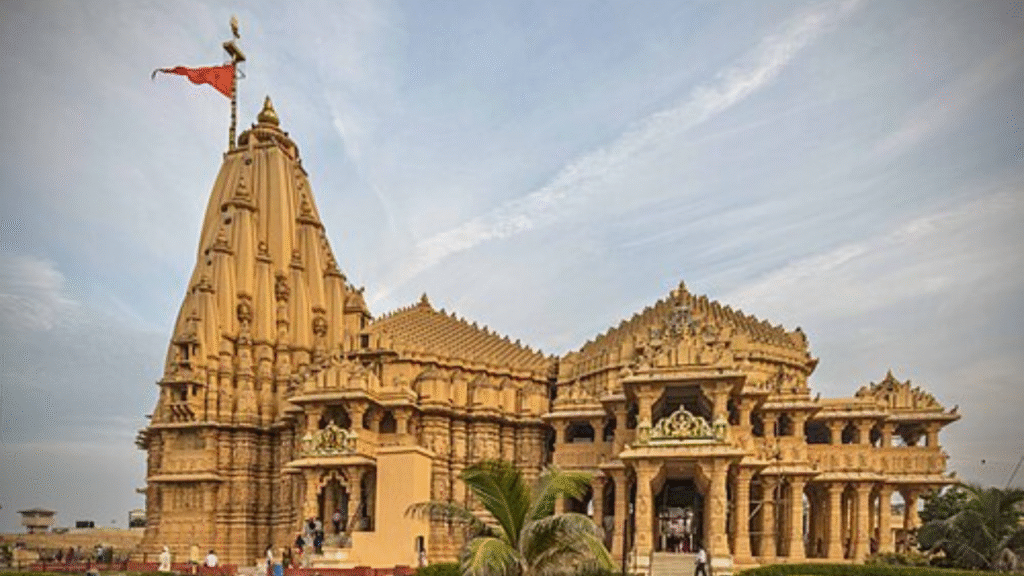
📍 Location: Prabhas Patan, near Veraval, Saurashtra Coast
Somnath Jyotirlinga is the first and most sacred among the twelve. Known as “The Shrine Eternal”, it has been destroyed and rebuilt several times, symbolizing the indestructible spirit of faith.
📜 Legend:
As per the Shiva Purana, the moon god Chandra married 27 daughters of Daksha Prajapati. However, he favored only Rohini, which angered Daksha. He cursed Chandra to lose his radiance. Seeking help, Chandra worshipped Lord Shiva at Prabhas Patan, who restored his glow and resided here as Somnath (Lord of the Moon).
🛕 Architecture & Importance:
The temple stands magnificently on the Arabian Sea’s edge, with waves continuously touching its base — a sight that fills the heart with divinity. The current structure, rebuilt in Chalukya style, represents a blend of spirituality and artistic excellence.
🌤️ Best Time to Visit:
October to March (cool coastal weather). Avoid monsoons.
🧭 Travel Tip:
Nearest airport – Diu (65 km). Stay in Somnath town or Veraval. Visit nearby Bhalka Tirth and Triveni Sangam.
🌄 2. Mallikarjuna Jyotirlinga, Andhra Pradesh
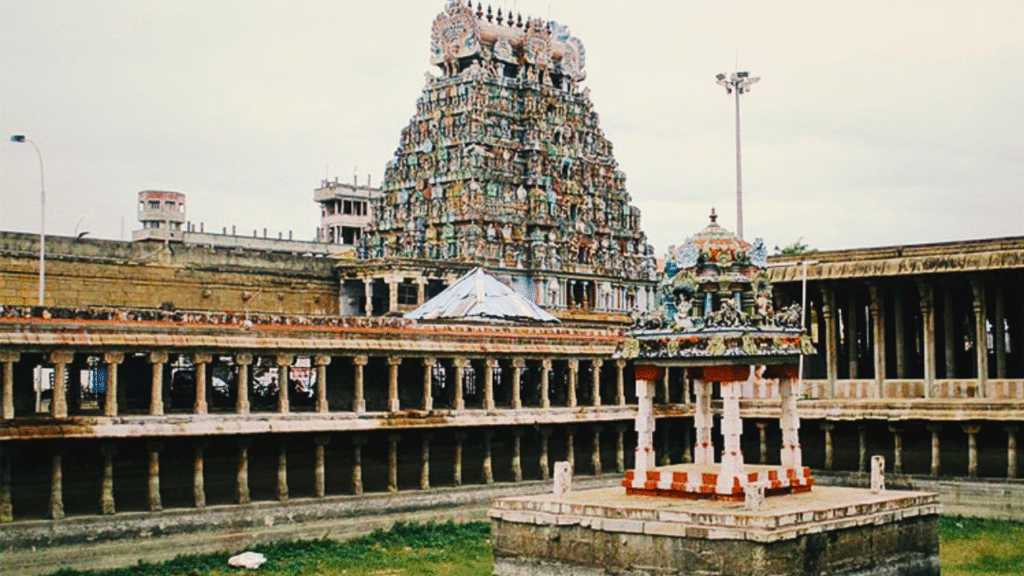
📍 Location: Srisailam, Kurnool District
Situated atop the Nallamala Hills, Mallikarjuna is both a Jyotirlinga and a Shakti Peetha. It is one of the few temples where Shiva and Parvati are worshipped together as Mallikarjuna and Bhramaramba Devi.
📜 Legend:
When Lord Kartikeya, upset after a family misunderstanding, moved away from Kailash, his parents, Shiva and Parvati, followed him to Srisailam. Their presence turned the place sacred.
🏛️ Architecture & Experience:
The temple is surrounded by dense forests and the River Krishna. The stone carvings, ancient pillars, and vibrant lamps create an atmosphere of serenity.
🌤️ Best Time to Visit:
October to February.
🧭 Travel Tip:
Stay at Srisailam. Don’t miss the scenic ghat roads, and visit the Sakshi Ganapati Temple nearby.
🌅 3. Mahakaleshwar Jyotirlinga, Madhya Pradesh
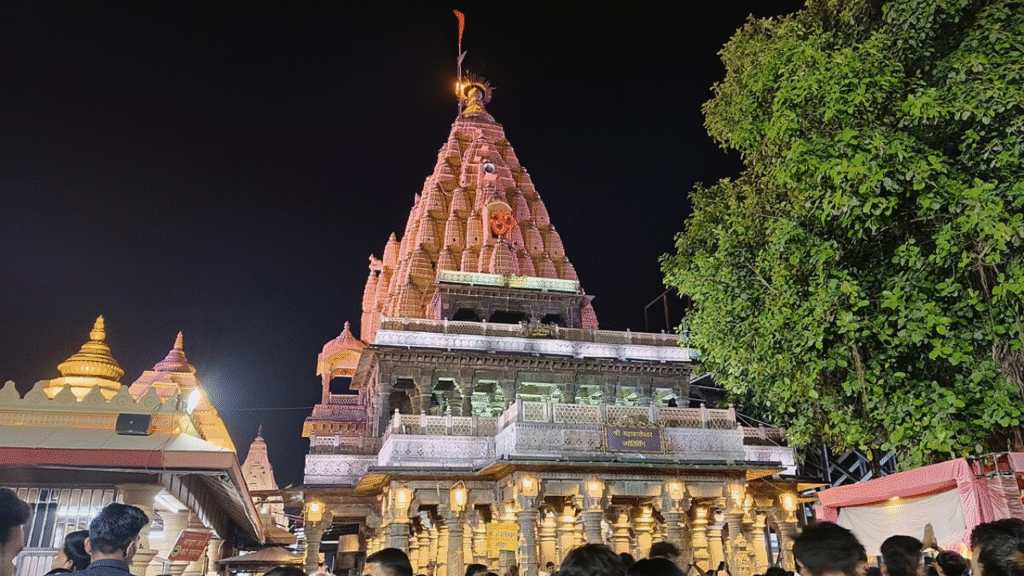
📍 Location: Ujjain, on the banks of the River Shipra
The Mahakaleshwar Temple is one of the most powerful Jyotirlingas. Here, Shiva is worshipped as Mahakal, the Lord of Time and Death. It is the only South-facing Jyotirlinga, which symbolizes Shiva’s control over life and death.
📜 Legend:
In ancient times, a demon named Dushan tormented the city of Avanti (now Ujjain). When devotees cried for help, Lord Shiva emerged as Mahakal and destroyed the demon, choosing to stay here as a protector deity.
🌅 Bhasma Aarti:
The Bhasma Aarti performed at 4 a.m. using sacred ash is world-famous. It’s believed that attending it removes all sins and grants liberation.
🌤️ Best Time to Visit:
October to March.
🧭 Travel Tip:
Reach Ujjain via Indore airport (50 km). Visit Ram Ghat, Harsiddhi Temple, and Kal Bhairav Temple nearby.
🌊 4. Omkareshwar Jyotirlinga, Madhya Pradesh
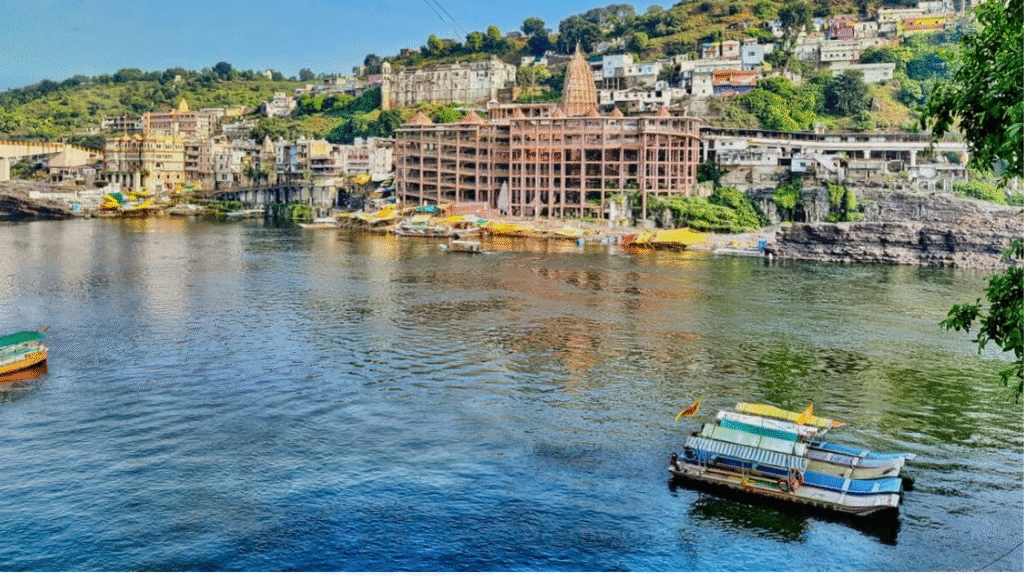
📍 Location: Island on River Narmada
Omkareshwar gets its name because the island on which the temple stands is naturally shaped like “ॐ” (Om), the sacred symbol of Hinduism. The sound of river waves and temple bells makes it a truly divine place.
📜 Legend:
Once, the Devas prayed to Shiva to defeat the demon Tripurasura. Pleased, Shiva manifested as Omkareshwar and blessed the land.
🏛️ Temple Architecture:
Built in Nagara style, the temple has beautiful carvings and offers a peaceful view of the Narmada River from its steps.
🌤️ Best Time to Visit:
October to February.
🧭 Travel Tip:
Nearest city – Indore (80 km). Take a boat ride to the island for a scenic view of Omkareshwar.
🏔️ 5. Kedarnath Jyotirlinga, Uttarakhand
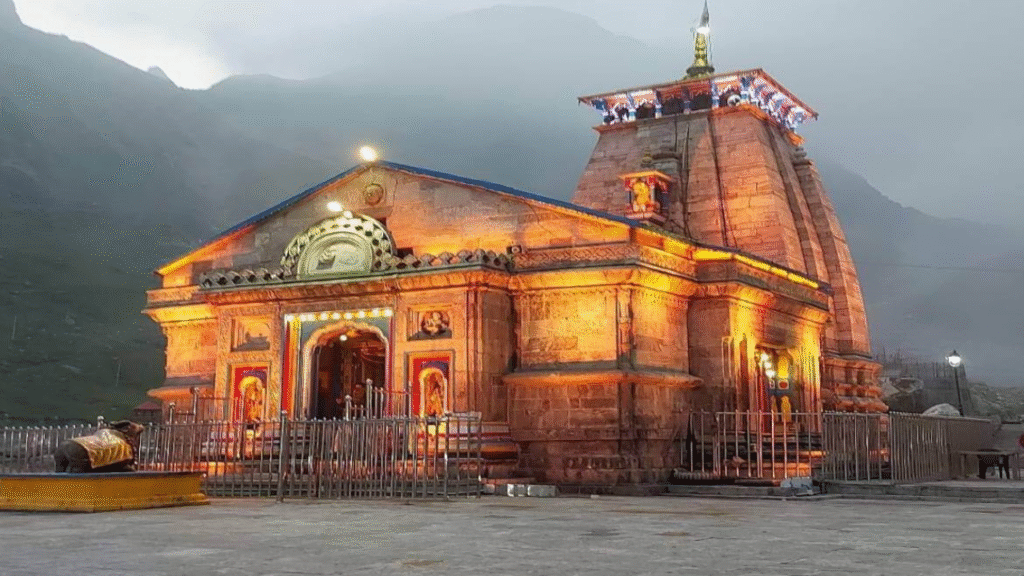
📍 Location: Garhwal Himalayas, near Mandakini River
Kedarnath is one of the most revered pilgrimage sites in India, part of both the Char Dham and Panch Kedar yatras. The temple sits at 3,583 meters, surrounded by snow-clad peaks and deep devotion.
📜 Legend:
After the Mahabharata war, the Pandavas sought Shiva’s forgiveness for their sins. Shiva disguised himself as a bull and vanished underground; his hump appeared in Kedarnath, forming the Jyotirlinga.
🏛️ Temple Architecture:
Made of massive stone slabs, it has withstood floods, earthquakes, and time itself. The aura of Kedarnath is indescribable — silence, devotion, and nature merge into one.
🌤️ Best Time to Visit:
May to October (Closed in winter due to heavy snow).
🧭 Travel Tip:
Trek from Gaurikund (16 km). Helicopter services are available from Phata and Guptkashi.
🌳 6. Bhimashankar Jyotirlinga, Maharashtra
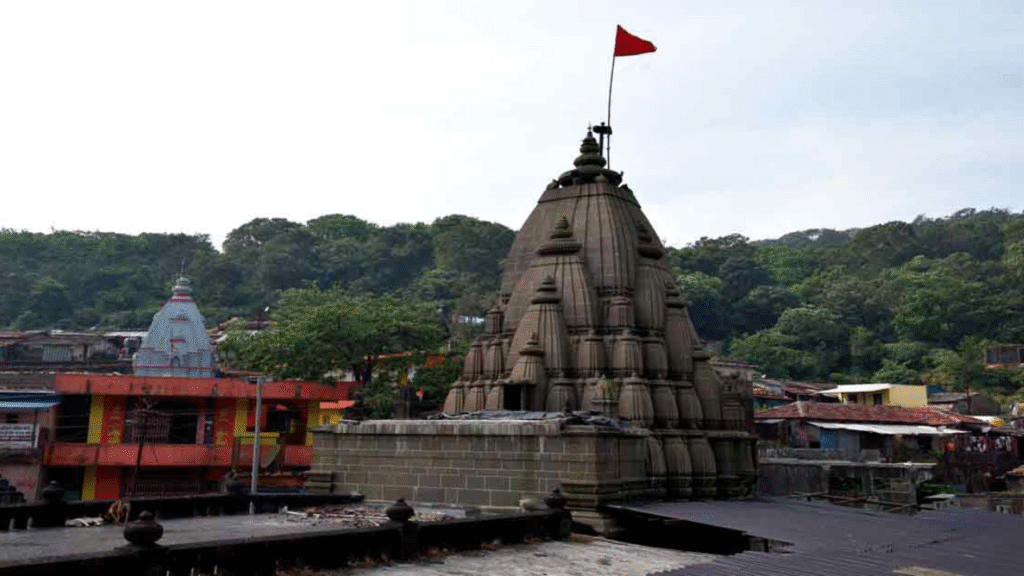
📍 Location: Sahyadri Hills near Pune
Surrounded by lush greenery and wildlife, Bhimashankar is both a spiritual and natural paradise. It is also the source of the River Bhima.
📜 Legend:
Lord Shiva appeared here as Bhimashankar to defeat the demon Tripurasura, who terrorized the heavens.
🏞️ Temple Architecture:
The Nagara-style temple with intricate carvings and peaceful surroundings attracts devotees and trekkers alike.
🌤️ Best Time to Visit:
October to March.
🧭 Travel Tip:
From Pune (110 km), drive through scenic ghats. Visit Hanuman Lake and Bhimashankar Wildlife Sanctuary nearby.
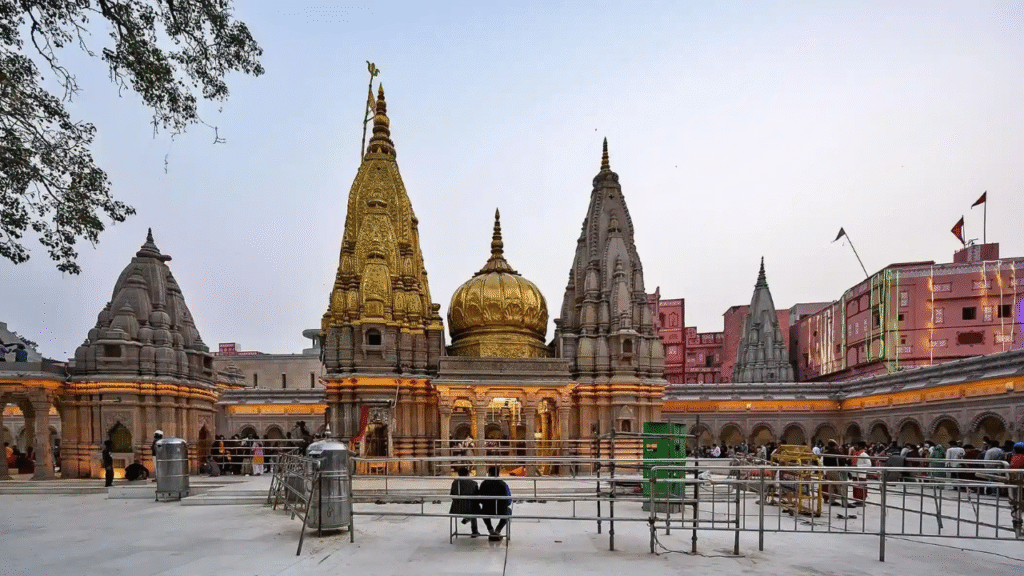
🌆 7. Kashi Vishwanath Jyotirlinga, Uttar Pradesh
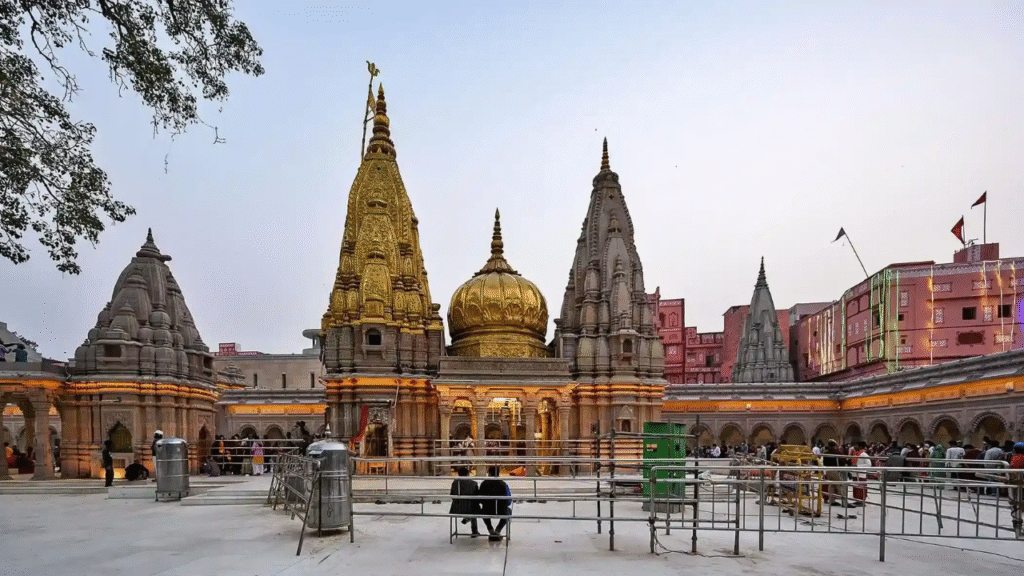
📍 Location: Varanasi
The Kashi Vishwanath Temple on the banks of the River Ganga is one of the most sacred temples in India. A visit here is believed to grant Moksha (liberation).
📜 Legend:
When Lord Vishnu and Brahma argued about supremacy, Shiva appeared as an endless pillar of fire — the Jyotirlinga. The place where it emerged became Varanasi, the city of Shiva.
🏛️ Importance:
The temple’s golden spire and spiritual energy attract millions of pilgrims. Lord Shiva himself whispers the Taraka mantra to dying souls here.
🌤️ Best Time to Visit:
November to March.
🧭 Travel Tip:
Visit Ganga Aarti at Dashashwamedh Ghat. Stay near the old city for a full experience of Kashi’s divine energy.
🌾 8. Trimbakeshwar Jyotirlinga, Maharashtra
📍 Location: Nashik District
This temple marks the origin of the Godavari River. It’s an important place for performing ancestral rituals (Pind Daan).
📜 Legend:
Gautama Rishi’s penance brought the Ganga River to earth from here.
🏛️ Temple Features:
Trimbakeshwar is unique because the Linga has three faces symbolizing Brahma, Vishnu, and Mahesh (Shiva).
🌤️ Best Time to Visit:
October to February.
🧭 Travel Tip:
Visit the nearby Brahmagiri hills and Kushavarta Kund — the origin of the Godavari River.
🌸 9. Vaidyanath Jyotirlinga, Jharkhand
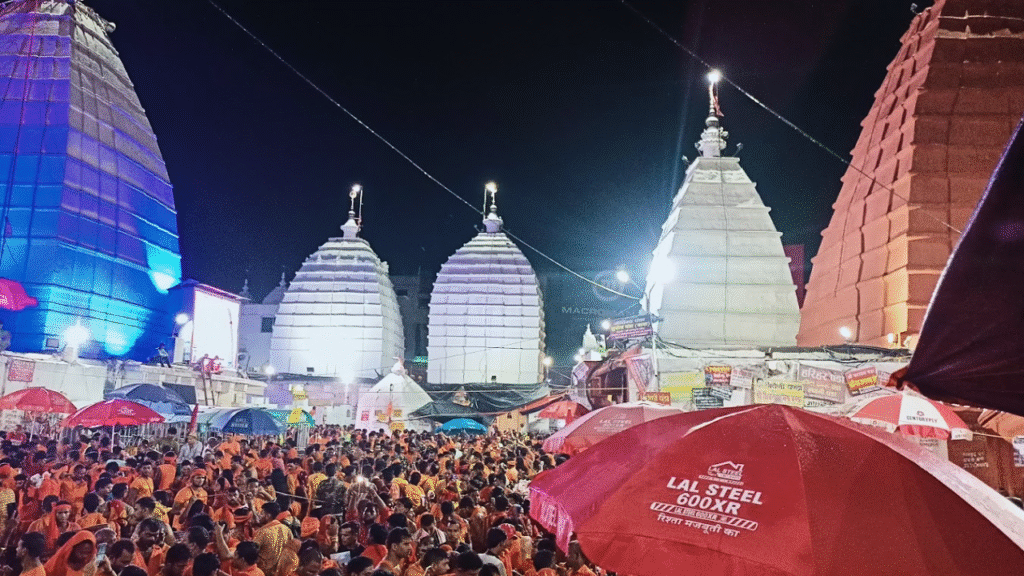
📍 Location: Deoghar
Vaidyanath or Baba Baidyanath Dham is one of the most powerful Jyotirlingas, known for healing and health blessings.
📜 Legend:
Ravana worshipped Lord Shiva here, offering his ten heads. Pleased by his devotion, Shiva restored him and became known as Vaidyanath (the Divine Healer).
🏛️ Significance:
It is believed that anyone who worships this Jyotirlinga with a pure heart is freed from diseases and sins.
🌤️ Best Time to Visit:
October to March.
🧭 Travel Tip:
Reach via Jasidih railway station (8 km). Don’t miss the Shravan Mela held in July–August.
🌊 10. Nageshwar Jyotirlinga, Gujarat
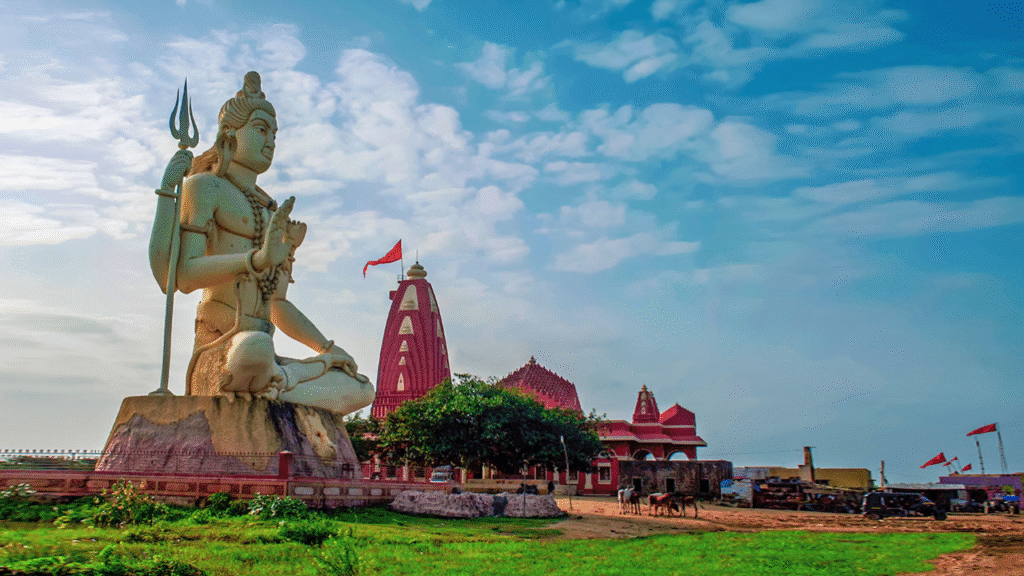
📍 Location: Dwarka
Nageshwar Temple lies near the Arabian Sea, symbolizing Shiva as the protector from poison and evil forces.
📜 Legend:
A devotee named Supriya was captured by a demon named Daruka. She prayed to Shiva, who appeared, killed the demon, and established himself here as Nageshwar.
🏛️ Temple Features:
A giant 25-meter statue of Lord Shiva and a serene seaside environment make it a spiritually uplifting experience.
🌤️ Best Time to Visit:
October to February.
🧭 Travel Tip:
Visit Dwarkadhish Temple and Bet Dwarka Island nearby.
🌴 11. Rameshwaram Jyotirlinga, Tamil Nadu
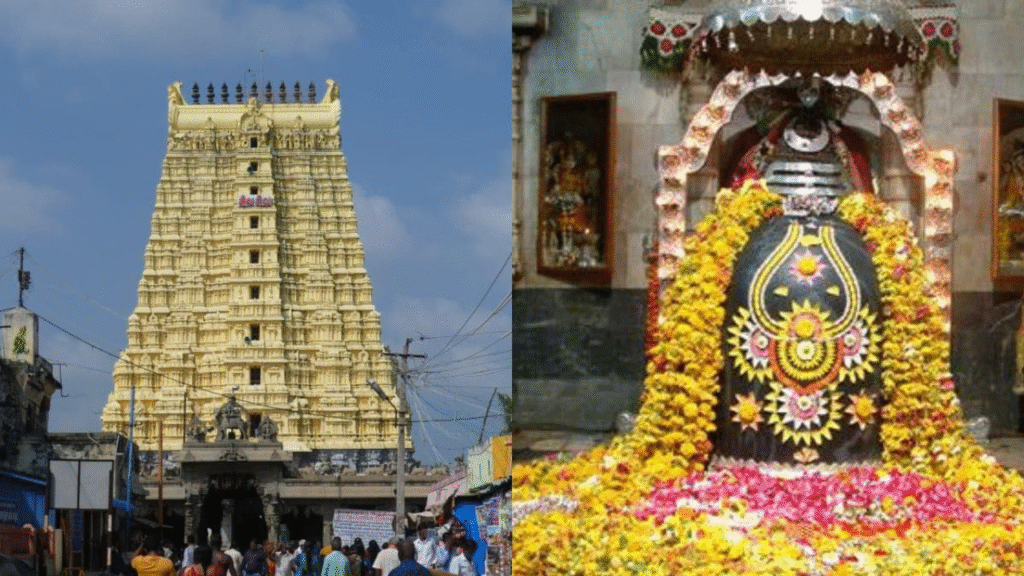
📍 Location: Rameswaram Island
One of the Char Dham sites, Rameshwaram, is deeply connected to the Ramayana.
📜 Legend:
Before crossing to Lanka, Lord Rama built a Shiva Linga from sand and prayed for forgiveness after killing Ravana.
🏛️ Temple Architecture:
Famous for its longest corridor in the world (1,200 meters) and stunning Dravidian architecture. The temple has 22 holy wells for purification rituals.
🌤️ Best Time to Visit:
October to April.
🧭 Travel Tip:
Visit Dhanushkodi beach and Ram Setu viewpoint nearby.
🌼 12. Grishneshwar Jyotirlinga, Maharashtra
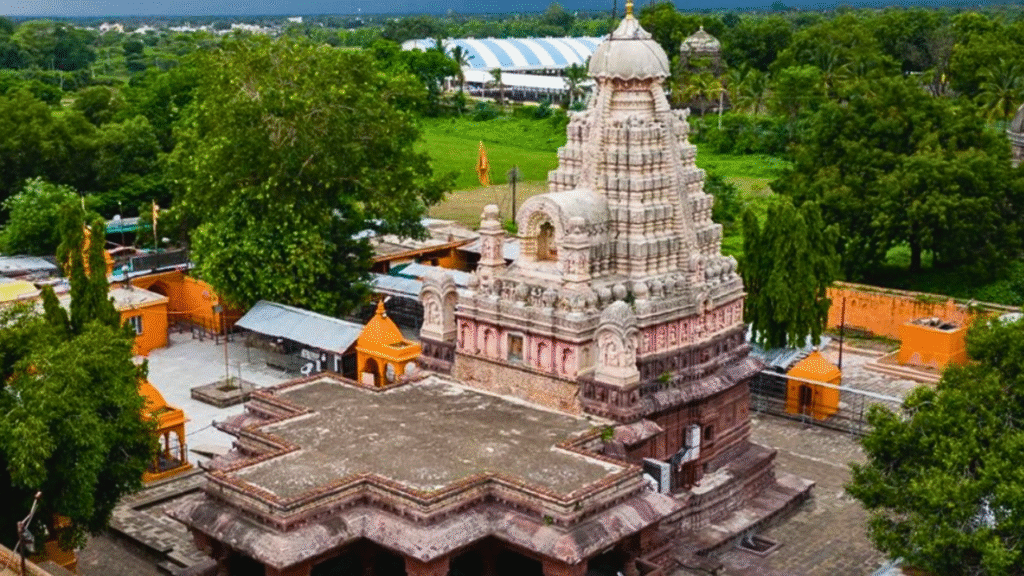
📍 Location: Ellora, near Aurangabad
The last Jyotirlinga, Grishneshwar, is near the famous Ellora Caves, a UNESCO World Heritage Site.
📜 Legend:
A devoted woman, Kusuma, worshipped a Shiva Linga daily. When her son was killed, she continued her devotion. Impressed by her faith, Lord Shiva revived her son and manifested as Grishneshwar.
🏛️ Temple Highlights:
The temple’s red-stone carvings, intricate sculptures, and spiritual ambiance make it a must-visit site.
🌤️ Best Time to Visit:
October to March.
🧭 Travel Tip:
Visit nearby Ellora and Ajanta Caves for a divine and historical experience.
✨ Spiritual Meaning of the 12 Jyotirlingas
Each Jyotirlinga represents a specific aspect of Shiva — from creation to destruction, from compassion to justice. Together, they represent the complete cosmic energy of Mahadev.
Visiting all 12 Jyotirlingas is said to cleanse the soul, remove karmic sins, and grant Moksha.
🧭 Suggested 12 Jyotirlinga Yatra Route
- Somnath – Gujarat
- Nageshwar – Gujarat
- Trimbakeshwar – Maharashtra
- Bhimashankar – Maharashtra
- Grishneshwar – Maharashtra
- Omkareshwar – Madhya Pradesh
- Mahakaleshwar – Madhya Pradesh
- Vaidyanath – Jharkhand
- Kashi Vishwanath – Uttar Pradesh
- Kedarnath – Uttarakhand
- Mallikarjuna – Andhra Pradesh
- Rameshwaram – Tamil Nadu
🕉️ FAQs About 12 Jyotirlingas
Q1. How many Jyotirlingas are in India?
There are 12 sacred Jyotirlingas spread across India.
Q2. What is the meaning of Jyotirlinga?
It means “Radiant Symbol of Lord Shiva.”
Q3. Which is the most important Jyotirlinga?
All are divine, but Somnath, Kashi Vishwanath, and Kedarnath are among the most visited.
Q4. Can all 12 be visited in one trip?
Yes. Many travel agencies organize 12 Jyotirlinga Yatra packages by air and road.
Q5. What is the benefit of visiting Jyotirlingas?
It is believed to purify the soul, grant peace, and fulfill desires.
🌺 Conclusion
The 12 Jyotirlingas of India are not just temples; they are spiritual powerhouses where the divine presence of Lord Shiva is felt deeply. Each shrine has its own energy, story, and lesson — reminding us that divinity exists in every direction of this vast land.
If you’re planning your next pilgrimage, start your journey with Somnath Jyotirlinga or Kedarnath, and let Mahadev’s blessings guide your path.
Har Har Mahadev! 🔱


Pingback: What Are Jyotirlingas? Meaning & Full Guide
Pingback: 12 Jyotirlinga Name in Hindi – 12 ज्योतिर्लिंगों की पूरी सूची - Hanupedia
Pingback: How Many Jyotirlingas Are There in India? 12 Powerful Temples You Must Visit